blogit.vapaasuomi.fi

July 29, 2010

Risto H. Kurppa

How long has your system been up’n running?

I’m planning to wipe my Kubuntu desktop box root partition to re-install Kubuntu 10.04 LTS. I don’t have any major problems that would force me to reinstall the system, but I’ve installed many apps and packages from outside the repositories, manually and so on, so it’s quite hard to try to track down why something doesn’t work and then report the bug. And it’s nice to see the installer every now and then anyway, get a fresh start, tabula rasa, you know.

This is my setup:
File system. Size Used Free Use% Mount
/dev/md0 38G 26G 11G 71% /
/dev/md1 319G 276G 27G 92% /home

First I ran backups to an external 500GB USB disk:
time rsync -av --progress --stats /home/rhk /media/disk/2010-07-24-homebackup/

Then I decided to find out how long I’ve been running this system. A neat way to find it out is to find when the file system has been created:
rhk@rubert:~$ sudo tune2fs -l /dev/md0|grep created
Filesystem created: Wed Jul 9 17:35:59 2008
rhk@rubert:~$ sudo tune2fs -l /dev/md1|grep created
Filesystem created: Tue May 8 22:31:04 2007

So I’ve had my setup running since July 2008, from Ubuntu Hardy Heron 8.04, upgrading to 8.10, then to 9.04, 9.10 and to 10.04. My home partition has been there since May 2007 – that’s when I got this computer and first installed Ubuntu Feisty Fawn 7.04.

~daily usage, I think running two years in a row isn’t that bad, every now and then installing some off-the-repository packages. And as stated above, there’s still nothing that’d force me to reinstall it.

How long have you had your setup running? Are you always upgrading to the latest version or staying with LTS releases? Do you often install software outside the repositories?

Related posts:

Tags: planet-fnoss, planet-ubuntu, planet-vapaasuomi, ubuntu

by Risto H. Kurppa at July 29, 2010 08:19 PM

July 27, 2010

Henri Bergius

July 23, 2010

Henri Bergius

July 22, 2010

Henri Bergius

July 21, 2010

Henri Bergius

July 10, 2010

Aapo Rantalainen

WinXP asennus ja levyn osiointi

Olipas tarve asentaa Windows. Siis tarve ei ollut ottaa käyttöön tietokonetta tms. vaan ‘tarve asentaa Windows’. Tottakai tekee pahaa asentaa Windows koneeseen, jossa Ubuntu toimisi paljon paremmin.

Kone oli Fujitsun läppäri vuodelta 2005 ja koneen mukana tullut XP Pro (+pohjassa oleva lisenssitarra) vielä hengissä ja voimissa, joten valinta osui siihen. Kiintolevyksi (jota koneessa ei ollut) valitsin 30Gb yksilön, jonka alkuosasta noin puolet on tuhoutunut. Empiirisesti olen todennut loppuosan toimivaksi (siellä majaili Ubuntu 8.04 serveri reilun vuoden jakaen nettiyhteyttä).

Näillä faktoilla heitin asennuksen käyntiin. Osioinnissa ei ollut mahdollisuutta tehdä osiota puolesta välistä levyä, joten jouduin ensin tekemään alkuun 15G osion, sitten loppuun 15G osion. Yritin tuhota ensimmäisen osion pois (tai olla tuhoamatta) ja valita asennusosioksi jälkimmäinen osio. Kummallakin tavalla päädyin samaan virheilmoitukseen joka estää jatkamasta:

“Asennusohjelman on kirjoitettava käynnistyksen tiedostoja levylle xxx xxx xxx. Tämän levyllä ei kuitenkaan ole windows xp -yhteensopivaa osiota”

Huomaa sanamuoto. Googlekin antaa runsaat 4 osumaa. No asennus seis, Ubuntu live-CD sisään ja parted käyntiin. Windows asennus oli tehnyt osiot ja totuus valkeni; jälkimmäinen osio ei ollut primaari, vaan se oli ängetty extendedin sisään. (Toistaiseksi varmentamaton) johtopäätös: Windows XP:tä ei voi asentaa extendedin sisällä olevalle osiolle. Teinpä sitten partedilla tasan yhden primaari osion, joka alkaa puolesta välistä levyä ja jonka tyyppi on FAT32. Ja sitten takaisin Windowsin pariin. Tällä kertaa osioinnista pääsinkin yhdellä enterin klikkauksella eteenpäin.

Käyttäjätapaukseni ei ehkä ollut triviaali, mutta ei se nyt kovin erikoisen erikoinenkaan mielestäni ollut.

Kriittinen huomautus: Tällä kertaa vertailu ei ollut täysin reilu. Tuo Windows-levy on prässätty joskus vuonna 2004-2005 (SP2 julkaistiin 2004, joka oli levyllä), ja käytin Ubuntu 8.10:n (vuodelta 2008, kuten nimikin sanoo) mukana tulevaa partedia (koska se sattui olemaan käden ulottuvilla tuolista nousematta). Minulle riitti, että sain homman tehtyä, mutta olisihan partedista voinut käyttää jotakin vanhempaa versiota tieteellisessä mielessä.


by Aapo Rantalainen at July 10, 2010 06:01 PM

Löydä kuvasta virheet

Näinpä mainoksen jossa oli niin paljon pielessä, että ihan harmitti:

(Kuvattu kännykällä liikkuvassa bussissa. Kuvaa on editoitu)
*Mainoksessa ei oteta kantaa nopeuteen ollenkaan.
*”Järkyttävän halpa!”: 39€ ei ole järkyttävän halpa (varsinkaan kun en tiedä mitä saan)
*”Vapaudu laskuista”: se on silti lasku, vaikka sen maksaa etukäteen
*”Maksa vain käytöstä”: Mitä ihmettä? Eikös kuukausimaksu ole juuri vaihtoehto käytöstä maksamiselle? Esim vesimaksu voi olla kuukausivelotteinen tai käytön mukaan. Ottamatta kantaa kumpi on missään tapauksessa parempi hinnoittelumalli, molempia ei voi saada yhtäaikaa.

Jos olet jostakin kohdasta eri mieltä tai keksit vielä lisää moitittavaa, niin laita kommenttia.


by Aapo Rantalainen at July 10, 2010 08:09 AM

July 09, 2010

Losca

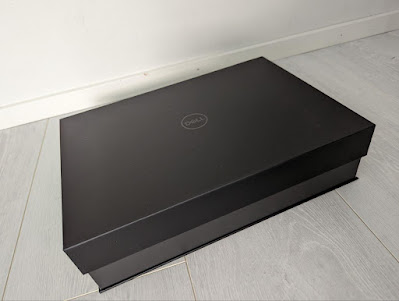
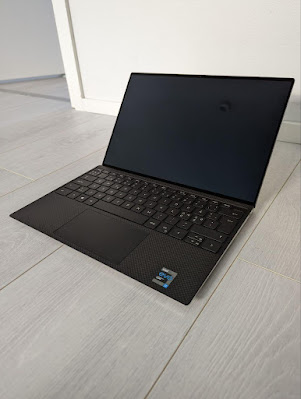
Unboxing and Tinkering Dell Latitude 2110 with Ubuntu 9.10

This entry includes a few photos of my Dell Latitude 2110 which shipped with Ubuntu 9.10 Netbook Remix. Mostly it's however a critical view on the software shipped. Critical simply because I investigate it quite closely to see how it could be improved especially when sold to end users in non-English countries in the future. The device itself is great, as is the Ubuntu shipped with it. The laptop has the 1.83GHz Atom N470 which is quite nice together with its integrated and battery saving graphics. I also chose 1366x768 resolution for the screen and 16GB SSD for storage. But anyway, this is not a review of any sort.

Currently Dell Latitude 2110 netbook is the only laptop available with Ubuntu in the Dell Finland's web store. A few others have specifications that list Ubuntu as a choice, but in the actual customization view there is no Ubuntu to be selected. So this is the only one, and also only for corporate customers - the web site even says "big companies". In reality though this is reflected in one and only place - there is a mandatory "Company" field in the order form. However, not even the company ID ("Y-tunnus") is required. I did use a company name there, but I wonder if they would care if one would just put "-" or "Ubuntu Finland" or anything there...


Software Observations

I boot it up, and was greeted first with a Dell EULA. Next up was familiar (Ubuntu 9.10 era) Ubuntu logo, white on black. Some churning and a set up wizard was presented:


It worked nicely otherwise, but even though I selected Finnish as the language, it first suggested US keyboard by default. This is in contrast to what normal Ubuntu installer does - offers Finnish keyboard as well.

After that the Ubuntu Netbook interface appeared, and I checked around a bit. Ubuntu 9.10 Netbook Remix shipped with Latitude 2110 seems quite default. No extra repositories. Extra software however is installed, noticed by simply looking through Ubuntu menus: they include Dell Recovery Media creation tool, Citrix Receiver and Vmware View Client.


Digging a bit deeper, I checked the package selection with Synaptic. The reason there are no extra repositories is that packages are installed without repositories. The following packages were "local or obsolete" after refreshing the normal Ubuntu repositories:

Local/main:
- alsa-driver-hda-intel-dkms (git.20100301)
- dell-recovery
- realtek-rts-pstor-card-driver-dkms
- vmware-view-client

Local/non-free
- ctxusb
- icaclient
- libmotif4
- libmrm4
- libuil4
- libxm4

The great thing is that seemingly most of the customization is indeed done via packages. Great job with both that and correctly separating archive entries depending on whether the software is free or not. The packages themselves are located in the recovery partition of the hard drive.

Some more package observations:
- adobe-flashplugin is installed by default from Canonical partner repository (and the repository is enabled by default)
- besides it, no extra non-free software is installed, that is nothing from multiverse and only bcmwl-kernel-source from restricted
- also, nothing from universe

Language Problems

I didn't expect a fully Finnish laptop since the language of Ubuntu couldn't be selected when customizing the order, and I didn't get one. It's clear there is no effort yet put to actual localized offerings, but still it was possible to choose (any) language with the first boot of Latitude 2110.

Language problems are quite ok at this point since the device is not being sold as a localized home user product yet. Nevertheless, it's good to list issues that need to be fixed before localized devices can be sold. At least in Finnish, dunno how's the state of for example Inspiron 10 devices shipped in Germany and elsewhere to also end users via web.

Number two problem regarding languages software was (number one being the wrong suggested keyboard) that full Finnish support was not offered to be installed (and it wasn't installed by default). Since the selection of language was possible during first run, suggesting download of or automatically downloading language support should be done. Normal Ubuntu does it also in Ubuntu 9.10 just nicely also in the cases that installation is done without Internet connection / full language support, so somehow Dell has unfortunately disabled that feature or not allowing it to run. The hook that checks the language support and shows a message is included in language-selector, the message itself in file /usr/share/language-support/incomplete-language-support-gnome.note.

I ran Language Selector manually, which fixed the problem and indeed works fine nowadays in Ubuntu. However, I also noticed that in Language Selector "For my menus and windows, use" had "English (United States)" selected, so only the second item had Finnish selected. It seems therefore that the setting up of the language during setup wizard doesn't do a complete job anyway for the new user created at least. Only after selecting it manually did the language tool correctly download and enable all the needed support for my language.

The Only Big Problem

Now for the only big WTF during my tinkering:

/etc/apt/apt.conf.d/00secure containing lines:

APT::Get::AllowUnauthenticated "true";
Aptitude::CmdLine::Ignore-Trust-Violations "true";

This simply leads to eg. synaptic package manager complaining about all upgrades being unauthenticated, and elsewhere possible well needed warnings are simply not shown. I have no idea what's the basis for shipping this kind of security hindering settings with the laptop.

What Next

After these observations and being quite happy with a laptop that has Ubuntu straight out-of-the-box (which also saved 80€ of money + taxes compared to default OS), I created a recovery ISO image with Dell's tools and then I let Update Manager upgrade Ubuntu to 10.04.

Ubuntu 10.04 LTS was smooth enough already, but I also upgraded latest Intel graphics drivers from xorg-edgers. My only irritation is the Broadcom WLAN driver 'wl'. It works just fine in 10.04 LTS. The irritation is the amount of battery eating wakeups it generates even when there is no traffic going on. AFAIK it's a non-free driver from the vendor, and once again it's one of those that works in principle but is miles from being a well behaving kernel driver. It seems the free b43 driver does not support the BCM43224 chipset (14e4:4353) yet, so unfortunately I'm currently stuck with this driver. Luckily the laptop (and Ubuntu) is otherwise so great on using power, that I still get 5+ hours of battery usage at least (haven't measured much yet).

I'm very happy with what Dell is doing. I do hope the consumer sales would soar (and become available in Finland in the first place via the consumer retail channels there already exist). I also hope the language support bugs would be fixed - it's not tremendously hard, I could probably fix and test all the problems myself if I'd be given the task. Maybe the new Ubuntu 10.04 LTS offerings will already have some of it working better. All in all the Dell Latitude 2110 with Ubuntu 9.10 Netbook Remix was a problem-free ride, and had I simply used it in English it would have worked out-of-the-box smooth as butter.

by noreply@blogger.com (Timo Jyrinki) at July 09, 2010 10:13 PM

Henri Bergius

July 07, 2010

Ubuntu-blogi

Akademy kuulumisia viikonlopulta

Viime viikonloppuna 3 – 4.7 järjestettiin vuosittaisen KDE-kehittäjien konferenssin aKademyn päätapahtuma ensimmäistä kertaa Suomessa Tampereen yliopiston tiloissa. Perjantai oli saapumispäivä, jolloin kokoonnuttiin majoittumisen jälkeen yhteiseen illanviettoon Demolan tiloihin nauttimaan jalkapallosta, tervehtimään vanhoja tuttuja ja uusia tuttavuuksia.

Akademy group

Lauantaina alkoi varsinainen konferenssi. Esityksiä oli aamusta iltaan kahdessa salissa, joten seurattavaa riitti. Lauantaipäivänä ykkössalissa oli yhteisötoimintaan liittyviä esityksiä ja kakkossalissa KDE mobiilisovelluksiin liittyviä esityksiä. Lauantai-iltana järjestettiin aKademy-juhlat, mikä ehkä harvensi osanottoa kun esitykset jatkuivat sunnuntaiaamuna. Luvassa oli taas mielenkiintoisia esitelmiä ja puhujia. KDE vaikutti olevan menossa hyvään suuntaan ja ideoita tuntui riittävän. Sunnuntaina otettiin myös ryhmäkuva kaikista Akademyn osallistujista.

Aaron Seigo

Lauantai-iltapäivänä järjestettiin historiallinen kokoontuminen, kun edustajia lähes kaikista suomalaisista vapaisiin ohjelmistoihin keskittyvistä yhteisöistä ja yhdistyksistä kokoontui saman pöydän ääreen. Tapaamiseen osallistui Ubuntu Suomen lisäksi mm. COSS, FLUG, FUUG ja Wikimedia Suomi. Kokouksessa keskusteltiin mahdollisista yhteistyökuvioista ja suunniteltiin Suomen valloitusta uusilla markkinointitavoilla . Jatkossa on tarkoitus järjestää vastaava kokoontuminen kahdesti vuodessa.

Ville Jyrkkä
Heikki Mäntysaari

Kuvat: http://www.flickr.com/search/?q=akademy2010&s=rec

Some rights reserved CC 2.0

by jykae at July 07, 2010 09:57 AM

July 03, 2010

Riku Leino

Avoimen lähdekoodin lokalisointi – kääntäjän avoimet markkinat

Ohjelmiston lokalisointi eli kotoistus tarkoittaa ohjelmiston sovittamista paikalliseen ympäristöön. Yksi lokalisoinnin laajimpia osa-alueita on kielenkääntäminen, mutta se sisältää myös mm. päiväysten, kellonaikojen, merkistöjen, nimien ja kuvallisten symbolien sovittamisen kohdealueen käytäntöihin ja sääntöihin. Ohjelmiston lokalisoinnissa kääntäjän vastuulla on säilyttää yhdenmukaisuus eri ohjelmistojen välillä. Sama asia tulee esittää samalla termillä eri ohjelmissa.

Tietokoneohjelman käyttäminen helpottuu, kun ohjelmaa voi käskyttää omalla äidinkielellään. On todennäköistä, että lokalisoitu ohjelma saa laajemman yleisön kuin lokalisoimaton. Laaja käyttäjäkunta on monesti elinehto ohjelmalle.

Avoimen lähdekoodin projektissa jokainen käyttäjä on potentiaalinen osallistuja. Projektissa osallistujaryhmiä voivat olla mm. kehittäjät, jotka kirjoittavat ohjelmakoodia, avustajat, jotka auttavat käyttäjiä, testaajat, jotka antavat palautetta ohjelman toiminnasta sekä kääntäjät, jotka omalla työpanoksellaan auttavat uusien käyttäjien hankinnassa kääntämällä ohjelman uusille kielille.

Avoimen lähdekoodin ohjelman kehitys seuraa usein yksinkertaista kaavaa. Asetetaan tavoitteet seuraavalle julkaisulle ja aletaan tehdä työtä niiden saavuttamiseksi. Tavoitteet nimetään usein versionumerolla, jolla ohjelmisto julkaistaan, kun tavoitteet tai ennalta asetettu julkaisupäivämäärä on saavutettu.

Julkaisujen välinen aika on työaikaa, jolloin ohjelmaa kehitetään eli tehdään muutoksia, joita projektisuunnitelmassa on määritelty. Jos tarkastellaan työpöytäohjelmaa, kuten Mozilla Firefox tai OpenOffice.org, on todennäköistä, että kehitysprosessissa ohjelman käyttöliittymässä esiintyvät tekstit muuttuvat tai niitä tulee lisää. Työajan lopussa voidaan määritellä päivä, jonka jälkeen ohjelmakoodiin tehtävät muutokset eivät enää vaikuta käyttäjille näkyviin teksteihin. Tästä alkaa kääntäjän urakka.


Jotta ohjelman käyttöliittymän kääntäminen olisi mahdollista, on siihen pitänyt varautua jo ohjelman kehityksessä. Tekstit, jotka näkyvät ohjelman käyttäjille pitää voida erottaa ohjelmakoodista. Erottelun tuloksena on käännöstiedosto, jota kääntäjä alkaa työstää. Kääntäjän tehtävä on etsiä käännöstiedostossa olevalle alkuperäiskieliselle tekstipätkälle kohdekielinen vastine. Englanti on ylivoimaisesti käytetyin alkuperäiskieli avoimen lähdekoodin ohjelmistoprojekteissa.

Suosituimmille käännöstiedostomuodoille on tehty ohjelmia, joiden avulla käännöstyö helpottuu. Käännösohjelmassa saattaa olla mukana sanasto, jota pystyy käyttämään mm. usein toistuvien sanojen ja ilmaisujen kääntämisessä. Ohjelman tehokas käyttö vaatii harjaannusta, mutta jo pelkkä peruskääntäminen on ohjelmalla helpompaa kuin käännöstiedoston muokkaaminen tekstimuokkaimessa.

Käännösohjelma tarkkailee käännöksen edistymistä ja kertoo siitä kääntäjälle. Tekstipätkien kokonaismäärä, käännettyjen ja epävarmojen käännösten lukumäärä ovat kaikki tilastotietoa, joista käännösohjelma pitää kirjaa.


Työpöytäohjelmien käännösmäärä vaihtelee suuresti. Useimmat ohjelmat pärjäävät 200–6000 tekstipätkällä. Pätkä voi olla yksittäinen sana tai muutamasta lauseesta koostuva kappale. Tekstit ladataan käännösohjelmaan ja kääntäminen voi alkaa. Ensimmäiset helpot käännökset löytyvät nopeasti: file – tiedosto, cut – leikkaa, paste – liitä.

Käännöstä tehtäessä ei pidä tyytyä kompromisseihin. Jos merkkijonon käännös on epäselvä, tulee se merkitä käännöstiedostoon. Tällöin toinen kääntäjä voi helposti löytää käännöksen ja korjata sen. Oma käännöstehokkuus saattaa parantua, kun voi merkitä hankalan käännöksen epävarmaksi ja jatkaa työtä seuraavaan mahdollisesti helpompaan merkkijonoon.

Kompromisseja ja virheitä ei kuitenkaan ole aina helppo välttää. Tästä syystä käännösajan loppuun on varattava aikaa käännöksen tarkistukselle ja oikoluvulle. On hyvä, jos käännöksen käy läpi joku toinen, koska omalle työlleen voi tulla sokeaksi. Yksi hyvä tapa tarkistaa käännöstä on käyttää ohjelmaa oman käännöksensä kanssa. Tällä tavalla osa virheellisistä käännöksistä erottuu nopeasti. Lopuksi tarkistettu ja valmis käännös tulee lähettää ohjelmaprojektin käännöksistä vastaavalle henkilölle tai toimittaa se muulla projektin toivomalla tavalla julkaisua varten.


Avoimen lähdekoodin ohjelmien lokalisoinnissa taloudellinen hyöty on ainoastaan yksi vaikutin muiden joukossa. Työ on kaikille avointa. Ainoina esteinä ovat henkilökohtaiset taidot ja motivaatio ryhtyä vaativaan urakkaan.

Paras tapa aloittaa lokalisointiin tutustuminen on valita ohjelma, jota käyttää usein ja jonka tuntee parhaiten. Ohjelman verkkosivuilta voi etsiä tietoa ja ohjeita tehtävään. Jos ohjelmaa on jo käännetty, kannattaa ottaa yhteyttä aikaisempaan kääntäjään. Näin voi välttää tilanteen, jossa kaksi ihmistä työstää samaa käännöstä. Kokeneemmalta kääntäjältä voi myös saada apua, jos on vasta aloittelemassa lokalisoijan uraansa.

Jos ohjelman käyttöliittymän kääntäminen tuntuu lämmittelyltä, voi kääntämistä jatkaa ohjelmiin liittyvien oheismateriaalien parissa. Tällaisia ovat mm. ohjelman kotisivu, ohjeet ja erilaiset mainosmateriaalit. On itsestä kiinni, minkä tyyppiseen käännöstehtävään haluaa aikaansa sijoittaa. Näillä markkinoilla on runsauden pula.

by Tsoots at July 03, 2010 05:40 PM

July 02, 2010

Ville-Pekka Vainio

Headed for Akademy

I’ll be taking the 07:30 AM train from Helsinki to Tampere today. The train should arrive at Tampere at around nine, which leaves me about thirty minutes to get from the train station to the university. I think microblogging is perfectly suited for writing short updates from a conference, so here’s a shameless plug: my identi.ca profile is at http://identi.ca/vpv. I’ll try to dent every now and then, depending of course a bit on how the network at the venue and at the hotel works.

by Ville-Pekka Vainio at July 02, 2010 09:54 PM

Ubuntu-blogi

MeeGo – uusi Linux-pohjainen mobiilikäyttöjärjestelmä

Viime vuonna Nokian ja Intel julkistivat ryhtyvänsä kehittämään yhteistyössä uutta mobiilikäyttöjärjestelmää, jossa yhdistyisi Nokian Maemo ja Intelin Moblin. Uuden järjestelmän nimi on MeeGo ja se siitä on nyt julkaistu versio 1.0.

MeeGo on mobiilikäyttöjärjestelmä, joka on tarkoitettu käytettäväksi mm. miniläppäreissä, ajoneuvotietokoneissa ja matkapuhelimissa. Ytimen muodostaa MeeGo Core ja jokaista käyttöympäristöä varten on tarkoitukseen parhaiten sopivaksi räätälöity käyttöliittymä.

MeeGo Core pohjautuu Intelin Mobliniin, joka puolestaan perustuu Fedoraan. Intelin lisäksi toinen pääkehittäjä on Nokia. MeeGoa hallinnoi virallisesti Linux Foundation, minkä pitäisi taata tietyn toimittajariippumattomuuden kehitystyön hallinnoinnissa. Fedora-pohjansa takia MeeGossa käytetään RPM-pakettihallintaa ja siinä on muutamia muitakin pikkueroja, joista Ubuntu- tai Debian-käyttäjä ei välttämättä pidä. Toisaalta MeeGon suurin innovaatio on käyttöliittymä- ja käyttökokemuspuolella, joten keskitytään nyt arvioimaan sitä.

Testasin MeeGon Netbook-versiota asentamalla sen vaimoni Asus EeePC 1000HE -miniläppäriin, josta olen kirjoittanut aiemminkin. Samalla näin, miten MeeGo vetoaa tavallisiin käyttäjiin, joita tekniikkaa osaamaton vaimoni edustaa.

Yleisilme MeeGossa on varsin iloinen. Vaimoni mielestä se vaikutti vähän lelumaiselta tai lapselle tarkoitetulta. MeeGossa sovelletaan Moblinista tuttua yläpaneelia, jossa eri sovellusten rajat hämärtyvät, mutta toisaalta käyttökokemuksesta voi tulla kokonaisvaltaisempi, kun tekemistä ajatellaan itse sisällön kautta eikä ohjelmien kautta. Eri osioita näkyy kuvankaappauksista alla.

Etusivun ideana on (luonnollisesti) antaa yleisnäkymä käyttäjän tilanteesta. Kuten näkyy, suomennoksessa on virheellisesti <b>-merkit. Suomennos ei ole muutenkaan kovin ammattimaisen oloista. Vai miltä kuulostaa “Tänään ei ole mitään tekemistä!” kuten tässä kuvassa lukee?

Paneelin toiseksi vasemmanpuoleisin painike näytti “Vyöhykkeet”. Minulle ei täysin selvinnyt mitä vyöhykkeet ovat, mutta ilmeisesti ei ole kysymys työpöydistä kuten Ubuntussa. Oletuksena jokainen uusi sovellus aukesi uuteen omaan vyöhykkeeseensä, mutta sovelluksia pystyi myös ryhmittelemään samoihin vyöhykkeisiin.

Sovellukset-näkymästä voi nimensä mukaisesti käynnistää sovelluksia sekä muokata järjestelmän asetuksia. Ohjelmien asentaminen ja päivittäminen on yhtä helppoa kuin Fedorassa/Ubuntussa normaalistikin, mutta MeeGon omat ohjelmapakettivarastot ovat melko suppeita.

Ihmiset-näkymässä on kaikki sosiaaliseen mediaan liittyvät asiat. Koska en itse jaksanut asentaa tuonne sosiaalisia tilejäni, kannattaa kurkata vähän kuvaavampaa kuvankaappausta MeeGon sivuilta.

Laitteet-näkymä oli mielestäni innovatiivisin. Mielestäni siinä on onnistuneella tavalla esitetty kaikki olennaisimmat laitteistoon liittyvät asiat tavallisen käyttäjän kannalta.

Kuvassa näkyy myös kaatumisilmoitus – tämän lyhyenkin testauksen aikana moni ohjelma kaatuili ja MeeGosta löytyi lukuisia virheitä (mm. 1980, 3399, 3404, 3406, 3407) vaikka en tehnyt mitään erityistä ja laitteistoni on tuettujen laitteiden listalla MeeGon sivuilla. Ärsyttävää oli mm. se, että Windowsissa tehtyä USB-tikkua, jossa on NTFS-tiedostojärjestlemä, ei voinut liittää MeeGoon, koska siinä ei ole NTFS-tukea, eikä NTFS-tukea edes voinut asentaa, kun sitä ei löydy MeeGon pakettivarastosta.

Oletusselaimena on Google Chrome tai sen avoin versio Chromium, riippuen siitä, minkä MeeGo-version asentaa. Itse asensin Chromium-version. Selaimena se on ihan OK, mutta vaimoni ei pitänyt siitä, koska Firefoxista siihen ei voinut tuoda avainsanallisia kirjainmerkkejä, eli kirjainmerkkikokoelman olisi joutunut tekemään uusiksi. Ottaen huomioon minkälaisia uudistuksia Chromiumiin on tehty ja mitä on tulossa lähiaikoina, on selainvalinta mielestäni hyvä. Lisäksi Chromiumin käyttöliittymä sopii pienillekin näytöille.

MeeGon suurin puute oli monikäyttäjän tuen puute. Käytännössä MeeGo on tarkoitettu vain yhdelle käyttäjälle eikä siinä ole graafisia työkaluja uusien käyttäjien lisäämiseksi eikä sisäänkirjautumisruudulla vai valita käyttäjätunnusta, vaan ainoastaan syöttää sen ainoan käyttäjätunnuksen salasanan. Tästä syystä MeeGo jäi kokeiluksi ja asensin lopulta läppäriin Ubuntu 10.04 LTS Netbook Editionin.

Ymmärrän kyllä tavallaan, miksi Nokian kannattaa panostaa yhteistyöhön Intelin kanssa ja tehdä mahdollisimman suurelle käyttäjäkunnalle (ja kehittäjäkunnalle) tarkoitettua mobiilikäyttöjärjestlemää, mutta kyllä Maemo oli mielestäni Debian-pohjaisena teknisenä alustana varsin kehittynyt ja ulkoasultaan ammattimaisempi kuin MeeGo. Nokian strategia rakentaa Linuxin päälle on hyvä valinta, mutta valinnat taktisella tasolla eivät ole vielä vakuuttaneet minua eikä näköjään pörssimaailmaakaan, kun katsoo Nokian tämän päivän kurssia. MeeGossa on Maemoon verrattuna kuitenkin sellainen periaatteellinen parannus, että kehitystyö on täysin avointa ja sitä ei hallitse yksin jokin yritys, vaan se tapahtuu Linux Foundationin alaisuudessa. Maemossa oli sekä julkinen että Nokian sisäinen kehitysympäristö (Bugzilla, versionhallinta jne) mutta nyt MeeGossa on kaikki kehitys läpinäkyvää ja kaikkien saatavilla, minkä seurauksena osaavilla koodaajilla ei pitäisi olla mitään estettä korjata MeeGo ainakin itselleen hyväksi järjestelmäksi.

Kehitysblogeja lukemalla saa ainakin hyvin positiivisen kokemuksen kehityksestä, mutta käytännössä monet hyvältä vaikuttaneet ohjelmistot ovat olleen käytännössä huonoja, kun niissä on ollut paljon pikkuvikoja, jotka poistuvat yleensä vasta kun arkikäytöstä on saatu riittävästi kokemusta ja myös ne tylsät laadulliset ohjelmistokehitystyöt on tehty. Toivotaan nyt kuitenkin MeeGolle kaikkea hyvää ja ehkä suuri kehityspanos tuottaa vielä vakaan, helppokäyttöisen ja hyvännäköisen järjestelmän, joka on toimiva myös arkikäytössä.

– Otto

by Otto at July 02, 2010 09:59 AM

June 28, 2010

Ubuntu-blogi

Akademy 2010 Tampereella alkaa 2.7.

KDE-kehittäjien suurin vuosittainen tapahtuma Akademy järjestetään Tampereella 2.-10.7.2010. Ohjelmaan kuuluu sekä KDE-työpöytäympäristöön liittyvät asiat että Qt-käyttöliittymäkirjastoasioita ja yleisiä vapaiden ja avoimen lähdekoodin yhteisöön liittyviä asioita.

Akademy 2010 -viikko-ohjelma löytyy sivulta http://akademy.kde.org/program. Linux-käyttäjiä kiinnostanee eniten viikonlopun 3.-4.7. konferenssi, jonka ohjelma löytyy sivulta http://akademy.kde.org/program/conference. Konferenssia seuraavan viikon ohjelma liittyy enimmäkseen KDE-kehittäjien yhteistyöhön ja työpajoihin. Konferensissa sen sijaan on runsaasti ohjelmaa, joka kiinnostanee myös muita kuin KDE-kehittäjiä tai KDE-käyttäjiä.

KDE-työpöytäympäristöä käytetään mm. Kubuntussa. Vakio-Ubuntun työpöytäympäristö on Gnome, jonka kehittäjät tapaavat vuosittain Guadec-tapahtumassa. Gnomen ja KDE:n teknisiä eroja on mm. se, että Gnomessa graafinen käyttöliittymäkirjasto on GTK kun taas KDE:ssa on Qt. Nykyisin Qt:n alun perin kehittänyt yhtiö on siirtynyt Nokian omistukseen ja Qt on tärkeä osa Nokian teknistä strategiaa. Ei siis ihme, että Akademyn pääsponsori on Nokia.

Tilaisuus on maksuton, joten suomalaisten kannattaa hyödyntää tilaisuutta ja osallistua tapahtumaan, kun sinne pääsee nyt niin helposti. Aikaisemmat Akademyt ovat olleet mm. Kanarian saarilla, Belgiassa ja Skotlannissa.

– Otto

by Otto at June 28, 2010 07:33 PM

Henri Bergius

Aapo Rantalainen

Analyyttinen ajattelu

Analyyttinen ajattelu ja miksi?

(Michael Bywatersia mukaillen)
Tiedämmehän me kaikki tämänkin Murphyn lain: “Etsittävä löytyy aina viimeisestä paikasta“?


Esimerkkitapaus:
“Löysin puhelimeni. Se oli lipastonlaatikossa, joka oli viimeinen paikka josta katsoin.”

Puretaan tämä osiin
1) Löysin puhelimen. Miksi? Katsoin lipastonlaatikkoon, jossa se oli.
2) Puhelin oli lipastonlaatikossa. Miksi? Joku oli sen sinne laittanut.
3) Lipastonlaatikko oli viimeinen paikka jonne katsoin. Miksi? Koska lopetin etsimisen tietenkin heti kun löysin puhelimen.

Jaha, kyse ei ollutkaan maailmankaikkeuden oikullisuudesta. Kaikki kadonnut on aina viimeisessä katsotussa paikassa, koska löytymisen jälkeen se ei ole enää kadonnut.


by Aapo Rantalainen at June 28, 2010 08:45 AM

June 27, 2010

Ville-Pekka Vainio

I’m going to Akademy 2010

I haven’t been blogging in a long while, I hope this post will still make it into Planet Fedora and Planet Libre Finland.

So, I’m going to Akademy 2010 on next Saturday. I’m not that much of a KDE contributor, I’ve done some translations and bug reports, but that’s all. As Akademy is probably the biggest Free Software event organized in Finland so far, I still decided to attend. Hotel rooms at Tampere aren’t exactly cheap, which is why I’ll only be there for the conference weekend. The Nokia Qt thing on Monday sounds interesting, though, so maybe I’ll either try booking an extra hotel night or just take a train for the day to Tampere.

If any other Fedora contributors are attending Akademy, maybe we could meet up?

by Ville-Pekka Vainio at June 27, 2010 10:04 PM

June 23, 2010

Henri Bergius

June 14, 2010

Miia Ranta

California Dreamin’, release 1.2.1 (LCS2010, MeeGo workshop videos)

As promised earlier, I’ve now published four of the sessions from Linux Collaboration Summit 2010 which was held in San Francisco in April. They’re viewable in blip.tv, and I’ve decided to follow the licensing Linux Foundation itself has for the videos of the previous day, so the videos are licensed in CreativeCommons Attribution. I managed to burn a lot of time to edit the videos, but I guess in the end they’re fairly good. The sound quality isn’t magnificent, but most of the time you can tell what is actually said… I’ve not yet uploaded the MeeGo question hour or the panel, because I’m not still quite convinced that the sound quality is good enough. If you want them on blip.tv, please leave a comment.

Quim Gil - A Working Day in MeeGo project

Without further ado, here are the episodes so far:

<3 <3

by myrtti at June 14, 2010 09:49 PM

Henri Bergius

June 09, 2010

Ubuntu-blogi

LTSP-klusteri Mäntykankaan koululle

Mäntykankaan ensimmäinen ja toinen LTSP-sukupolvi

Mäntykankaan koululla on käytetty Linux-päätejärjestelmää talvesta 2006-2007 alkaen. Ensimmäinen talvi meni testaillessa kahden luokan kanssa yhdellä palvelimella. Hankimme tuolloin 30 kappaletta HP t5125-päätteitä. Palvelimella oli Ubuntu 6.06 LTS ja LTSP 4.2. Kesällä 2007 asensin kahden palvelimen päätejärjestelmän. Koulun laajan remontin yhteydessä päätteitä hankittiin lisää, edelleen HP:n t-sarjaa, nyt 5135-mallisia. Tavoitteena oli yksi pääte kahta oppilasta kohden. Tätä päätejärjestelmää käytimme talven 2007-2008.

Olen kertonut tästä Ubuntu-foorumilla. Tuota ketjua on luettu aika hurja määrä, yli 5300 kertaa!?

LTSP – 2 palvelinta jakamaan kuormaa

Kun Ubuntu 8.04 LTS julkaistiin, niin siirryin siihen, mutta säilytin edelleen kahden palvelimen päätejärjestelmän. Samalla siirryin käyttämään 5-versiota LTSP-ohjelmistosta. Se on valmiiksi integroitu Ubuntuun sisälle toisin kuin vanha 4-versio, jolla aloitimme. Tätä päätejärjestelmää käytimme talvet 2008-2009 ja 2009-2010. Se palveli hyvin kaksi talvea, mutta nyt on aika siirtyä käyttämään seuraavaa pitkän tuen versiota, Ubuntu 10.04 LTS.

Mäntykankaan kolmas LTSP-sukupolvi – LTSP-klusteri

Ubuntu 10.04 mahdollistaa LTSP-klusterin käyttämisen. Tässä on mieltä, vaikka ohjelmistopalvelimia on vain kaksi, kuten minun tapauksessani. LTSP-klusteri yksinkertaistaa edelleen ylläpitoa ja antaa työkaluja päätteiden seurantaan. Olen nyt tehnyt peruasennuksen ja se onnistui erittäin hyvin. Tämä ohje toimii sellaisenaan – tietenkin omaan verkkoon ja palvelinten määrään muokattuna.

Mäntykankaan Linux-päätejärjestelmä koostuu nyt kolmesta palvelimesta ja samoista HP t-sarjan päätteistä, joita hankimme 2006/2007. Vaikka en voikaan käyttää ohjelmia paikallisesti päätteiden omassa muistissa (local-apps-ominaisuus), ne toimivat hyvin varmasti ja yhtä äänettömästi kuin ennenkin. Tämä tärkeä huomio.

Olemme käyttäneet päätteitä yli kolme vuotta. Kun niissä ei ole liikkuvia osia, ne kestävät hyvin. Päätteet samoin kuin palvelimet on suunniteltu pitkäaikaiseen käyttöön. Voimme jatkaa niiden käyttöä ainakin seuraavat kolme vuotta, varmasti enemmänkin. Tuki Ubuntu 10.04-versiolle on tuo seuraavat kolme vuotta. Silloin päätteiden ja palvelinten elinkaari on jo kuusi vuotta ja kolme Ubuntu-versiota (6.06, 8.04 ja 10.04).

Lopuksi kaksi ruutukaappausta. Ensimmäisessä [1] on opettajanhuoneen HP t5125-pääte ja miten se on määritelty LTSP-klusteriin. Toisessa [2] on inforuutu päätteestä. LTSP-klusteri kertoo, millainen pääte on.

Lapsille pitää aina tarjota parasta – parasta, mitä rahalla saa. Tietotekniikassa se tarkoittaa Linuxia ;-)

Kesän jälkeen on aika vielä hieman viilata asennusta, mutta ‘tämä on nyt tässä’. Viettäkää hyvä kesä – älkää unohtako syksyn juhlaa – 101010!

Ystävällisin terveisin Asmo Koskinen, LTSP-yhteisö.

by asmok at June 09, 2010 05:24 PM

June 07, 2010

Riku Voipio

WebGL on N900

With the recent "PR1.2" firmware upgrade of Nokia N900, a new feature was enabled in the browser - WebGL. WebGL is cool and scary. The cool part is that it is a chance to bring lots of games to to Linux users. The screenshot is from Match3D, a 3D tic-tac-toe game.

The best way to get started is with the Learning webgl tutorial. Passing through the lessons, some are clearly featuring buggy graphics. I don't know if the website, N900 browser or the OpenGL ES driver is being buggy. Which brings the scary part of WebGL - not only does one need to deal with buggy browsers, one has to deal with buggy 3D hardware/drivers! WebGL is still very much work in progress, and on N900 the webGL is rather an "easter egg" than a proper feature. For example the 3D graphics from the GPU does an extra roundtrip via CPU before appearing on the screen.

Other WebGL resources are planet WebGL for following blogs about WebGL, the Khronos Demo repository and more demos can be found at CubicVR site. The last CubicVR demos feature another scary new browser feature (not yet supported on N900) - audio processing in JavaScript.

by suihkulokki (noreply@blogger.com) at June 07, 2010 03:31 PM

June 04, 2010

Henri Bergius

June 03, 2010

Risto H. Kurppa

Install Ubuntu on USB hard drive

sudo qemu -hda /dev/sdc -cdrom kubuntu-10.04-desktop-i386.iso -boot order=d

That’s it.

(you can also try VirtualBox)

Except that I get an error: “Executing ‘grub-install /dev/sda’ failed. This is a fatal error.”

After this Ubiquity crashes.

Related posts:

Tags: linux, planet-fnoss, planet-ubuntu, planet-vapaasuomi, ubuntu

by Risto H. Kurppa at June 03, 2010 08:03 PM

May 30, 2010

Riku Voipio

I'm going to debconf10


Jep, I'm coming. I bought flight tickets from Icelandair just weeks before Eyjafjallajökull changed from a little known volcano to something everyone knows (but probably can't spell if asked...). The volcano seems to have settled, but at some point I was really happy the ticket was paid with credit card, and at least I'd get my money back. After debconf we plan to travel around NY and nearby, but the accomodation appears to annoyingly expensive, I guess due august being the high season for travel...

In other news it is also possible that I'll visit aKademy 2010 in Tampere, Finland this year.

by suihkulokki (noreply@blogger.com) at May 30, 2010 11:04 PM

May 27, 2010

Aapo Rantalainen

Pello Pelottaman patenteista

Patenteista voi kirjoittaa kovin teknisesti, joten yritän ihan lyhyesti ei-teknisesti sanoa jotakin.

Oletko joskus lukenut Aku Ankkaa? Siinä on keksijä nimeltä Pelle Peloton, jolla on paljon patentteja. Myös Taavi Ankalla on patentteja (esim omenankuorimiskoneeseen, kellään viitettä tähän?) Sarjakuvassa patentin hakeminen ja myöntäminen tarkoittanee, että keksintö jotenkin tunnustetaan hyödylliseksi tai oikeaksi keksinnöksi. Myös kirjailija Eoin Colferin luomalla lapsinero Artemis Fowlilla on hallussaan useita patentteja. Ilmeisesti kertomassa, että vaikka hän onkin vielä lapsi, hän on erittäin älykäs.

Mitä patentti on:

*Kielto toisille käyttää patentoitua keksintöä.

Mitä patentti ei ole:

*Oikeus käyttää patentoimaan keksintöä.

Klassinen esimerkki:

Firma A patentoi tuolin. Vain he saavat nyt valmistaa tuoleja. Firma B patentoi tuolin kaarevat jalat (siis keinutuolin). B:llä ei silti ole mitään oikeutta valmistaa keinutuoleja, koska sillä ei ole oikeutta valmistaa tuoleja laisinkaan. Mutta eipähän A:kaan saa laajentaa tuolivalmistustaan keinutuoleihin. No, seuraavaksi A antaa B:lle luvan valmistaa tuoleja, jos he saavat valmistaa keinutuoleja. Joten patentin hyöty on, että sillä voi käydä kauppaa toisten patenteista.

Mietittäväksi:

Mitä tekemistä Pello Pelottomalla tai Artemis Fowlilla on patenttien kanssa? Toki sarjakuvissa ja kirjoissa on muutakin lapsille sopimatonta fiktiota, piiloviestejä ja harhaanjohtavaa tietoa.

P.S.

Tekstissä en ottanut kantaa onko patentit hyvä vai huono juttu, älä yritä lukea sitä rivien välistä. Vastustan matemaattisten kaavojen patentoimista. Vastustan ohjelmistopatentteja. Vastustan ihmisen geenien (genomin) patentoimista (kaikkia näistä on yritetty tai onnistuttukin).

Lue lisää:
stopsoftwarepatents.eu petition banner

P.P.S.

Nintendo meinasi haastaa Nokian oikeuteen, kun Nokia näytti kerran eräässä julkistamistilaisuudessa Super Marion kuvaa sanomatta, että se on Nintendon omaisuutta. Joten sanotaan nyt, jos joku ei vaikka tiennyt, että Aku Ankka, Taavi Ankka ja Pelle Peloton ovat Disneyn omaisuutta.


by Aapo Rantalainen at May 27, 2010 06:40 AM

May 26, 2010

Aapo Rantalainen

Legovisa – viimeinen kierros

Tällä erää viimeinen Legovisa. Tämä oli oikeasti ensimmäinen jonka teimme, tarkkaan ottaen Risto teki ja Anne arvasi ensimmäisestä vihjeestä. Se on enemmänkin slogan ja toimii vain englannin kielellä (enkä vahingossa jättänyt sitä viimeiseksi).


by Aapo Rantalainen at May 26, 2010 11:32 AM

May 25, 2010

Henri Bergius

May 24, 2010

Ubuntu-blogi

Dropbox – pilvipalveluiden aatelia

Dropbox on tuttavapiirissäni yleisimmin käytetty pilvipalvelu. Ilmaisen rekisteröitymisen avulla saat tilin, johon voi tallentaa 2 gigatavua tiedostoja. Tiliä voi käyttää joko verkkoselaimen kautta tai vielä kätevämmin asentamalla Dropboxin asiakasohjelman koneellesi, jolloin yksi kansio omalla koneellasi toimii rajapintana Dropboxiin: kansion sisältö on sinun “pudotuslaatikko”.

Dropboxin asentaminen on erittäin helppoa ja siihen saa myös Ubuntuun automaattiset päivitykset käyttämällä Dropboxin pakettilähdettä. Lisätiedot latausivulla.

Kun Dropbox on valmiiksi asennettu, näkyy sen ikoni Gnomen ilmoitusalueella. Ikonia napsauttamalla tai kotihakemistostasi selaamalla voit avata Dropbox-kansion.

Vaikka Dropbox on olemassa useille käyttöjärjestelmille (mm. Mac, Windows, Linux, Iphone), on sen toteutus Linuxissa erittäin hyvin integroitu Gnomeen. Esimerkiksi kun kansion sisältöä muuttaa, niin yksittäisttäisten tiedostojen päällä olevat kuvakkeet kertovat synkroinoinnin tilanteen: vihreä merkki kertoo että tiedosto on ajan tasalla ja sininen nuoli kertoo latauksen olevan käynnissä.

Vastaavat ikonit ovat myös Gnomen paneelin kuvakkeessa. Lisäksi Dropbox tiedottaa toiminnastaan notify-toiminnon kautta.

Toiminta ja ominaisuudet

Pohjimmiltan Dropbox on synkronointipalvelu, eli kun yhdellä koneella tallennat Dropbox-kansioosi tiedoston tai muokkaat siellä olevaa tiedostoa, päivittyy se välittömästi kaikkiin koneisiin, joissa on auki samainen Dropbox-kansio.

Dropbox-tiliin voi kirjautua myös selaimen kautta. Selaintoimintojen ansiosta Dropbox-kansiosi on siis periaatteessa käytettävissä miltä tahansa tietokoneelta, jolla ylipäänsä on Internet-yhteys.

Dropboxia voi myös käyttää varmuuskopiointitarkoituksiin, koska poistettuja tiedostoja tai tiedostojen vanhoja versioita voi palauttaa Dropboxin selainkäyttöliittymän kautta.

Lisäksi Dropboxia voi käyttää tiedostojen jakamiseen. Luomalla uuden alikansion ja lähettämällä siitä kutsut muille käyttäjille mahdollistat heidän pääsyn kyseiseen kansioon.

Paneelissa olevaa ikonia napsauttamalla hiiren kakkosnapilla tule esiin toimintovalikko, josta voi nähdä mm. listan viimeksi päiviteyistä tiedostoista.

Dropboxiin on myös saatavilla laajennuksia, joilla sitä voi hyödyntää useammalla tavalla: http://wiki.dropbox.com/DropboxAddons.

Dropboxin ilmaiseen käyttöoikeuteen sisältyy 2 gigatavua tallennustilaa. Jos kutsut siihen uusia käyttäjiä, palkitaan sinut lisätilalla 200 MB per kutsuttu käyttäjä. Maksamalla 99 taalaa vuodessa saa 50 gigaa ja 199:lla taalalla 100 gigaa tallennustilaa.

Turvallisuus ja yksityisyys

Dropboxin sivuilla olevien tietojen mukaan kaikki käyttäjän tiedot ovat salattu käyttäjän omalla salasanalla eikä Dropboxin työntekijät voi nähdä tiedostoja. Kun Dropbox ei ole avointa lähdekoodia, niin sen todellisesta toiminnasta on vaikea varmistua.

Kokemuksia

Omien kokemuksieni mukaan Dropbox toimii nopeasti ja luotettavasti. Omassa käytössäni ei ole koskaan ilmennyt mitään teknisiä ongelmia tai edes hidastelua. Toisin oli Ubuntu Onen kanssa, jonka toimivuus ole hidasta ja epävarmaa.

Lisäksi käytettävyys on erinomaisella tasolla hyvin mietittyjen ominaisuuksien ansiosta. Erityisesti pidän Dropboxin tavasta käyttää kuvakkeita synkronointitilan kuvastamiseen. Ubuntu One voisi ottaa ikonien käytöstä mallia.

Ainoa peruskäyttäjän näkökulmasta oleva huono puoli on se, että ohjelma ei ole suomenkielinen ja se ei ole millään lailla avoin, joten sitä ei voi edes suomentaa.

Johtopäätös

Ubuntu 10.04:n julkaisun jälkeen Ubuntu One lähestyy jo huomattavasti Dropboxin toimintavarmuutta ja helppoutta, ja moni Ubuntu One -artikkelissani moittimani ongelma on korjattu. Perustoiminnon, eli tiedoston synkroinoinnin osalt, Dropbox on vielä Ubuntu Onea edellä, ja siksi sitäkin kannattaa kokeilla.

– Otto

by Otto at May 24, 2010 07:56 PM

May 21, 2010

Aapo Rantalainen

Font: Linux Libertine

I just read that new Wikipedia logo uses font called Linux Libertine [1]

sudo apt-get install ttf-linux-libertine

And if you have it installed you would see something nice:  It is Unicode code point U+E000. If  you have not it installed, you might see some chinese.

http://linuxlibertine.sourceforge.net/


by Aapo Rantalainen at May 21, 2010 12:44 PM

Henri Bergius

May 20, 2010

Mikko Rauhala (mjr)

WebM-projekti pyrkii vapaaseen Web-videoon

Huhut Googlen seuraavasta siirrosta Web-videorintamalla ovat toteutuneet: WebM-projekti pyrkii tarjoamaan Googlen VP8-kodekkiin perustuvan laadukkaan ja vapaasti käytettävissä olevan videoformaatin kaikkien halukkaiden käyttöön. Projektia tukevat selainvalmistajista Googlen itsensä ohella Firefoxista tunnettu Mozilla sekä Opera Software.

Muitakin tukijoita on mukana kymmeniä, ehkä tärkeimpien joukossa näytönohjainvalmistajat AMD ja Nvidia sekä Flashista tunnettu Adobe. Kodekille onkin tulossa tuki uusiin Flash-soittimen versioihin, mikä parantaa sen lähitulevaisuuden yhteensopivuutta: jos selain ei itse tue WebM-formaattia, mutta (uusi) Flash-liitännäinen on asennettu, voi sivusto toistaa saman videon sen kautta. Pitkän tähtäimen tarve tälle jää kuitenkin toivottavasti vähäiseksi: jopa Microsoft on myöntynyt lausumaan HTML5/VP8-videon toimivan Internet Explorer -selaimensa versiossa 9, vaikkakin tällä haavaa vain mikäli kodekki on erikseen asennettu järjestelmään.

Teknisesti WebM nojaa VP8:n ohella hyviksi tunnettuihin valmiisiin ratkaisuihin. Säiliöformaattina käytetään monipuolista mutta myös monimutkaista Matroskaa, jonka kaikkia ominaisuuksia WebM-soittimen ei kuitenkaan tarvitse tukea. Äänen pakkaukseen käytetään myös projektia tukevan Xiph-säätiön Vorbis-kodekkia.

VP8 itse on tehokkaampi videopakkaaja kuin tähänastinen ainut vapaa tarjokas, aiempaan VP3-sukupolveen perustuva Xiphin Theora. Pääasiallinen patenttirajoitettu kilpailija, H.264, on kuitenkin laadukkaimpia profiilejaan käytettäessä VP8:a tehokkaampi pakkaaja. Nämä profiilit ovat tosin erityisesti monille mobiililaitteille liian raskaita purkaa. Verkkovideossa käytetäänkin usein H.264:n yksinkertaisempia ja vähemmän tehokkaita profiileja, joiden kanssa kilpailu onkin jo tasaväkisempää.

Onko WebM sitten lopullinen ratkaisu tähän asti vain Theoran ja H.264:n välillä käytyyn sotaan verkkovideosta? Tuskin. Monilla suuryrityksillä on sekä taloudellisia että kilpailunrajoitusintressejä Web-videon sitomiseen rajoitettuihin formaatteihin, ja H.264 tulee varmastikin säilymään käytössä vielä pitkään. Pääasia kuitenkin olisi, että myös jokin vapaa vaihtoehto säilyisi mahdollisimman käyttökelpoisena. Tähän tarpeeseen WebM:llä on potentiaalia tuoda parannusta Theoraan verrattuna.

Niin kauan kuin tietokoneohjelmia tai videotiedostoja levittämällä voi monessa osassa maailmaa syyllistyä patentteina tunnettujen laillisten monopolien rikkomiseen, ei tilanne kuitenkaan ole näin yksinkertainen: Theoraakin on jo vuosia hämärästi vihjaillen uhkailtu patenteilla, joskin perustekniikan vanhuus ja se, ettei mitään konkreettisia, tarkistuskelpoisia haasteita ole vieläkään esitetty, viittaisi formaatin olevan melko turvallinen. VP8:a vastaan tullaan lähes varmasti esittämään vastaavia kilpailunrajoitushenkisiä uhkailuja.

Jää nähtäväksi, edistyykö uhkailu tässä tapauksessa haasteiden asteelle. Google näyttäisi kuitenkin olevan siinä määrin vakavissaan WebM:n suhteen, että lienee valmis laittamaan tarvittaessa kovan kovaa vastaan. Onpa se jo alkanut konvertoimaan Youtube-videoita myös WebM-muotoon asettaen itsensä näin etulinjaan.

Yhteiskunnallisesti paras vaihtoehto olisi epäilemättä se, että tässäkin tapauksessa vastapuoli tyytyisi silkkaan uhkailuun ja kyräilyyn, ja Web-video saisi kehittyä rauhassa. Toivottavasti patenttijärjestelmä pysyisikin tällä kertaa pois kehityksen tieltä.

by mjr@iki.fi (Mikko Rauhala) at May 20, 2010 08:57 AM

May 18, 2010

Henri Bergius

Aapo Rantalainen

May 15, 2010

Henri Bergius

May 14, 2010

Miia Ranta

California Dreamin’, release 1.2 (Linux Collaboration Summit, day 2)

The second day of the Linux Foundation Collaboration Summit started with breakfast and scoping out the possible talks to attend to. Many of the talks looked interesting, but I wandered to the MeeGo workgroup room according to my original plan and set up my Flipcam to record the sessions (the cheap mock Gorillapod proved to be worth the money several times over this day!).

MeeGo Sticker by Dawn Foster, All rights reserved First of all Dawn Foster, the MeeGo co-Community Manager from Intel (Quim Gil of Nokia being the other) introduced herself and asked us to introduce ourselves too, with three words. That proved to be a funny experience and it was even funnier looking at my attempted recording of the introductory round (though I succeeded in pointing the camera at the right person with surprisingly high percentage!). There were plenty of Nokians, Intelians (though I had to wonder how many of them know Walter) and even a person from Adobe developing Flash. Of course Bergie was there too, after all, he was the first person I met on previous day, Wednesday arriving to the venue. Ericsson had people attending the workgroup, as did Igalia and Collabora, and, of course, Canonical as well. In my hazy (feverish) state I forgot to discuss with Robert McQueen of Collabora more, it would have been fun to discuss the state of affairs of Linux, open source and Maemo in Cambridgeshire area.

After the roll-call Arjan Van de Ven, Senior Staff Engineer of Intel gave us an overview on the technical aspects of MeeGo. MeeGo is a personal OS for personal devices, and as Imad mentioned the day before, MeeGo plans to integrate upstream projects to be released every six months to nice bundles that manufacturers can use as a basis for the software stacks of their products. The grand plan is to make MeeGo a standard that can be used with standard Linux applications with least effort of porting effort, and Nokia will make efforts in synchronizing MeeGo with Qt releases.

Qt and C++ will be the languages of choice for development for MeeGo. Compliance testing may assume the applications are done on Qt. Judging from this, GTK will be phased out from the stack, which I think is a shame. Python can be used for programming too with Pyside, but it might not be available on every platform MeeGo will be released on. Browser hasn’t been decided on yet, it could be Fennec or Chromium, as it’s just an application. Webkit will be offered as the embeddable HTML viewer.

On the hardware side both ARM and Intel will be supported:

We as MeeGo don’t want to have one-time hardware-specific forks like Android has had.

Hardware patches, as other patches, should be submitted upstream because of this policy. Only devices that agree on the rules set by MeeGo can use the MeeGo logo and trademark: Devices need to ship with the full MeeGo stack and the application-level API must not be broken, so patches should be applied to the stack. There are plans for MeeGo application store as with Maemo has the community repositories, but proprietary stuff will be centralised either on Ovi Store or manufacturer-specific stores. There might be restrictions imposed to what can be installed to the devices by the manufacturers and the operators. [slides]

Next Greg Kroah-Hartman from Novell told us about the netbook UI. There was some video from Beijing that apparently presented the leaked UI. Novell is contributing to the Netbook quite a lot, so there’s a lot of Novell stuff going to the Netbook version: Banshee, Evolution, MobileMe, Tracker. As such, C# is included with the Netbook version and that can be used for development as well. The browser is going to be Chrome, and the aim is to have similar power/battery usage as Windows XP.

Quim talks MeeGo Decision making is important in every project. Quim told us about it in his presentation after lunch (Mexican menu in a Japanese restaurant was somewhat… disturbing is the best way to describe it) – by scribbling on the flip board (checking the notes from his N900 now and then). In hindsight someone should’ve taken pictures of all the scribblies Quim drew, but oh well… The basic idea of the decision-making is that there’ll be working groups for specific areas of development that make the big decisions – such as for handheld UX, netbook UX etc – but that for most of the stuff, it will decided as on every other distro out there.

Marcel Holtmann of Intel continued by offering us an overview of the connectivity framework used in MeeGo. It is built mainly on oFono, connman and Bluez with tight interaction: similar user interfaces and functionality overlap in the projects. connman controls all the radio on the device, it handles setting the device to flight mode, and on the todo list for it are for example statistics and counter interfaces, portal and location detection (I really wish this would come to Linux in general, hotel wifi authentication http catchalls are such a pain!) Wimax is a whole separate stack, controlled by connman, but LTE will be controlled by oFono. Currently there is nobody doing the mmsd and there is no open source mmsd implementation. VPN implementation isn’t ready yet, so far it supports Cisco VPN’s but OpenVPN support is coming up soon, too (WOHOO!). [slides]

Later, we were given a treat of hearing a presentation of Qt Quick (QML) by Henrik Hartz, Qt Product Manager. The UI is defined with a combination of “CSS” (even I, a non-coder understood some of that part) and JavaScript, and all the hard byte crunching happens underneath the bonnet with the logic done with C++. To me that sounds like a brilliant idea that allows the design of the UI and the actual programmatic logic be separated better, giving both aspects a fair amount of focus instead of concentrating only to the non-UI parts.

MeeGo Technical panelThe last officially formed session was the MeeGo Technical panel with Sakari Poussa, Dawn Foster, Arjan Van de Ven and Andy Wilson. It shed some light on why MeeGo was formed: the goals and perceived methods to achieve them were considered so similar be the two companies that they figured the benefits of combining the efforts would outweigh the bad, but of course some negotiations were needed to make the most important platform decisions.

The panelists didn’t think working groups would cause a lot of decision making overhead as they are not meant to micromanage everything. Most decisions should be done by upstream developers on mailing lists, bug reports and team meetings in any case.

Although future MeeGo devices willh have the possibility for the operators to lock the phones to their network, Quim did reminds the audience that if a Nokia device is bought directly from Nokia store or online shop, there will be Methos of unlocking it, if it’s not outright unlocked by default.

Finally we had a quite uninformal discussion about translations for MeeGo, led by Intel’s Margie Foster. The discussion was about the translation tool, Transifex, quality control, best practices and teams.

I’ve got some experience on translating software to my native language, Finnish. At one point I was an active member of the translation community of Finland due to personal interest and my job. My line manager at Nomovok, Timo Jyrinki is the team leader of the Finnish translations in Ubuntu and GNOME, and during my more active years in the Finnish translation community some of the knowledge rubbed on me too.

Out of interest I found my way to MeeGo’s current translations and checked out the Finnish translations. Some of the translations were in an abysmally bad they literally made my eyes water. I was horrified when I was told that someone had been paid to do those translations (getting paid for translating open source stuff is good, doing a bad job at it is not). I couldn’t keep my mouth shut but asked what kind of quality control is there for the translations, and how is MeeGo as a project going to make sure that translations pulled from upstream aren’t written over or edited to be worse than they originally were – since I know cases of this happening too. The best way I know to make sure the quality of the translations are consistent is to make the amount of contributors consistent and big enough. If you have done translations for Ubuntu, perhaps you could have a look at doing translations for MeeGo as well?

The evening party was organized by MeeGo and it consisted of drinks and tapas at Dosa on Filmore/Post. I had lengthy discussions with Ryan Abel, Randall Arnold, Quim Gil and Ronan MacLaverty, and couple of other people whose names I’ve probably managed to forget.

by myrtti at May 14, 2010 08:00 PM

California Dreamin’, release 1.1 (Linux Foundation Collaboration Summit, day 1)

I’ve got plenty to tell about my experiences of our two month trip to Silicon Valley, but I’ll start with telling about the conferences and events I’ve attended. I’ll start the story with the most important and the biggest one, Linux Foundation’s Collaboration Summit which was held in April in San Francisco, at the Hotel Kabuki.

Flippin' fail... Unfortunately I had a flu at the same time so some of my memories of the sessions are a bit hazy, but not to worry! Before the summit we attended WhereCamp, an unconference about geoinformation, maps and everything related to that. (I’m not too much into location information, but my partner is, and I tagged along.) The organizers gave out five Flip UltraHD camcorders, and we got one! So I naturally used mine to record the sessions, which turned out to be a good thing, since the MeeGo Workshop on Thursday was not recorded by anyone else. I’m still in process of editing the video files into uploadable format – my laptop and Linux applications for video editing seem to be incompatible combination – but I promise I’ll upload the stuff soon! (Keep tuned to this channel!)

Caltrain double decker The Linux Foundation Collaboration Summit was held in San Francisco on the 14th to 16th of April, 2010. Because of the flu I attended only the two first days, but that was plenty of action! Our hotel is down south at Sunnyvale so I had to find a way to travel to downtown San Francisco. I don’t have a car or drivers licence, so Caltrain was the only viable option, and that was plenty of adventure! I did plan to use the public transport in San Francisco, but it was too much for my hazy brain and I ended up using the taxi from the train station to Hotel Kabuki, where the conference was held. Being afraid of heights traveling on Caltrain was an experience, as the carriages were double-decker (see picture).

We visited Japantown on the Sunday previous to the conference so I’d know a bit about my surroundings, and it was a good decision. The hotel the conference was held is very pretty, and it’s next to a shopping centre full of Japanese shops and restaurants. It helped a lot with my navigation later!

Arriving to the venue on Wednesday we got breakfast and while eating my croissant and drinking my coffee, Elizabeth introduced me to couple of people, including Landon Jurgens from GE. I also had a little touch with fame as Bradley M. Kuhn joined our group and we talked, among other things, about Star Wars memorabilia. Geek, me?

First keynote was held by Jim Zemlin, Executive Director at The Linux Foundation, justifiably. He welcomed us, and talked about the State of the Linux Union. He told us about the reasons why Linux is so successful, but reminded us about the challenges the ecosystem faces too. As a funny sideline he showed us a video comparison of Steve Jobs describing the iPad: “wonderful, amazing, magical, easy” and beloved RMS describing GNU/Linux: free, freedom, freedoms, be a good neighbour…

I think one of the biggest reasons Linux is becoming more and more successful is the omnipresence of electrical and information technology related equipment. Even if personal computers might be running Windows or OS X or other non-Linux operating systems, there’s plenty of appliances, mobile phones, networking hardware, cars and DVR’s around.

laptop lid
The biggest problem with the heterogeneity of the open source community and projects – especially those who are responsible to the paradigm shift of computing infrastructure from locally owned and operated hardware/software combinations to computing as a service industry – is that there has to be extra vigilance to fit and finish what has been started and not lull into complacency with releases of half-baked services. This problem can be addressed with proper management of the project, setting targets, tasks, having testing at the heart of things and making quality assurance a top priority. [video]

Following Jim’s presentation, Daniel Frye with his IBM keynote discussed the lessons the company has learned through their decades of commitment to Linux and open source development. I found this presentation probably the most interesting of the morning sessions and enjoyed the view to the history of the IBM participation. One of the most important points that can be seen in retrospect are that it’s a lot easier to join an existing community than to create a totally new one, and that code drops are a difficult and dangerous way of participation; incremental edits for delivering change is usually better! [video]

The last presentation before lunch break was a panel about cloud computing. To my great disappointment Mark Shuttleworth wasn’t at the conference and didn’t take part in the discussion (although there were plenty of Canonical employees, including Pete Graner). I’m not a great connoisseur of cloud computing, but there were couple of points I managed to catch up: There’s vendor lock-in with the different cloud providers! I hadn’t really thought of that before, and it surprised me a bit. This makes it a bit risky business to trust your stuff to cloud services, but an idea of smaller vendors to create a standard by sharing code and infrastructure sounds mighty good to me. I’ll definitely need to add cloud computing to one of the subjects I need to read more about! [video]

After lunch Ari walked on the podium wearing a Maemo shirt to give his keynote about MeeGo, the free and standard Linux for the mobile industry. As we know, MeeGo is the result of the recent co-operation incentive of Nokia’s Maemo and Intel’s Moblin. There’s great hopes for this one, but I have been more or less out of touch of the real ideas behind MeeGo since I happened to be very, very sick on the week the new project was announced.

Ari Jaaksi about Meego Having been watching the Maemo development from close range for quite some many years, the fact that MeeGo is aimed at not only smartphones but also TVs, tablets, car systems (and trains, planes etc) and netbooks requires some mental adjustment. MeeGo will be using Qt, Telepathy, WebKit, Fennec, RPM and GNOME, so there are some changes to Maemo. I’ve looked at the community response and the change to RPM has been the hardest to digest so far by the people.

Linux Foundation hosts the some work under MeeGo workgroup and there’s already considerable amount of collaboration going on with the platform, as Acer, Asus, BMW, Cisco, Careland, CS2C, Ericsson, DeviceVM, Gameloft, EA, Kingsoft, Linpus, Mandriva, Metasys, MontaSys, Neusoft, Novell, PixArt, Red Flag and others have already joined the MeeGo community. In the meantime first release of MeeGo has already been done in form of a code dump. It’s not really usable yet as it doesn’t have a GUI yet. N900 is the first reference device for MeeGo though, so there’s some hopes for the “older” devices :-P [slides, video]

The kernel panel was mainly uneventful. The new kernel will have better SSD support and some other new features such as a Linux equivalent of DTrace. Even if there are new features in kernel, the kernel developers keep getting older and there might not be as many new contributors to it as there has been in the past. Part of the problem is that the it’s not regarded as cool to be a kernel developer as it used to be. The code the old developers are writing into the kernel is so specialized and done by long time experts that it might be hard to understand and get used to by newer contributors. Long time contributors are well motivated and dedicated to their work on the kernel though – partly because most of them are employed to develop the kernel – so perhaps all isn’t lost after all. [video]

Imad Sousou of Intel and MeeGo technical steering group spoke after the kernel panel. He started off by mentioning his wish that since Ari had talked earlier and covered most of the topics he had in his presentation, perhaps he wouldn’t be asked the hard questions since Ari had already answered them. (This wish the audience later broke, by asking hard questions about proprietary blobs Maemo has had in the past. Ari answered them as diplomatically as possible, telling that while the project itself aims to be 100% open source, there might be proprietary components, such as device drivers, Skype etc. distributed by the vendors of the devices. Nokia will be one of the vendors, so, there will be proprietary components in the devices Nokia ships. This didn’t come as a surprise to me.)

What Imad stressed in his talk is that MeeGo plans to work very closely to the upstream.

If you want a kernel patch into MeeGo, send it to kernel upstream instead of MeeGo. If you want a Qt patch into MeeGo, send it to Qt.

MeeGo will also have a six month release cycle. First one is going to be released really soon (hopefully) as the schedule is aiming to release every May and November. [slides, video]

Why Your Life Might Depend on Your Code from the DFS Deutsche Flugsicherung (that’s the German Air Traffic Control) was mind-boggling. I’ve not watched the video yet, but I know it includes the video they showed us, and instead of yapping about too much about what the presentation was about, I suggest that you watch the video of the presentation. I can’t make justice to it by trying to condensate the points. [slides, video]

The presentation about how to prevent communities and co-operation was hilarious. Josh Berkus engaged the audience with his Over The Wall presentation. He had condensed how to stop global warming in a few easy steps that make sure you’ve built a wall between your developers and the community and stop contributions. The first premise you need to apply to the rest is that your developers do not take part in the community and all the releases are done in code drops, as thrown over the wall.

Ingredients include: difficult tools, preferably proprietary, homegrown, outdated or non-gui stuff, going all the way from CVS to CMS, via buildsystems and bugtrackers. The team needs to be overworked, and you need to make sure it’s kept that way: otherwise they’ll be babbling with the community! To make sure no communication happens, meetings need to be closed too – teleconferences make things hard, but make stuff impossible by having closed meetings. If you have a means of communication, obscure it as much as you can, and feed the trolls to make the community work against itself. Leave everything to be managed by one person, one person for webpages, mailing lists, etc. Use legalese everywhere where possible, but if you really want to tick people off, just be silent. [slides, video]

Chris diBona used Josh’s slides backwards to tell how Google does Open Source. Basically everything is in reverse! But in the end, Chris started using his own slides. Mootpoint was, that Google has released so far 915 projects as open source, and that more than 200 Google employees are patching and contributing to upstream projects. The message that also was included was that looking for enemies within the Linux and open source community isn’t beneficial. For Android to succeed MeeGo doesn’t have to fail, and indeed, in Android there’s plenty of stuff that has been originally contributed by Nokia employees. At the end of his presentation Chris won over the hearts and souls of the audience by giving every attendee a free Nexus One! [slides, video]

The first day of the event was brilliant, and we moved to a Japanese restaurant to an afterparty. I was getting tired after waking up at five o’clock and left the party around eight o’clock, to recuperate from the day to be ready for the next day. That’s up in my next blog post, coming up soon on this same bat channel! If you want to read a more accurate description of both the first and second day of Linux Collaboration Summit 2010, I highly recommend reading this Qaiku thread, written by Henri Bergius.

by myrtti at May 14, 2010 07:34 PM

May 12, 2010

Ubuntu-blogi

LTSP5-työpaja 2010, kuvia Päivölästä

Kaikkiaan kolmas LTSP5-työpaja pidettiin Päivölän kansanopistolla. Puitteet olivat mainiot, vaikkapa saunan yhteydessä ollut uima-allas. Väkeä oli mukavasti, keskustelua syntyi ja läppärit toimivat vuoronperään sekä palvelimena että päätteenä.

Tässä kuvassa on Opinsys Oy:n Mikko, joka näkyy sekä palvelin-läppärin webkamerassa että päätteenä toimivan läppärin webkamerassa. Päätteen oma webkamera toimii, kun Cheese-ohjelma asennetaan choot-ympäristöön ja käynnistetään paikallisena ohjelmana, ei palvelimelta (ltsp-localapps).

Muut kuvat löytyvät täältä.

Kuvia LTSP5-työpajasta

Ensi syksynä järjestämme neljännen LTSP5-työpajan Ubuntu 10.10 kunniaksi lokakuussa. Aloitamme sunnuntai-iltana 10.10.2010 juhlan merkeissä ja jatkamme maanantaina ja tiistaina työpajalla, siis 11.-12.10.2010. Varaa LTSP5-työpaja jo tänään kalenteriisi!

Ystävällisin terveisin Asmo Koskinen.

by asmok at May 12, 2010 07:58 PM

Aapo Rantalainen

legovisa: seitsemäs kierros

Ei ole muuten enää kovin montaa jäljellä. Ja kyllä tänne blogiin on tulossa taas koht’sillään teknisempääkin tavaraa.


by Aapo Rantalainen at May 12, 2010 10:20 AM

May 10, 2010

Ubuntu-blogi

Ubuntu 10.04 LTS -julkaisujuhla Tampereella

Suomen Ubuntun pääjulkaisujuhla pidettiin Tampereella Ixonoksen ja COSSin järjestämänä. Tapahtuma oli menestys; lähes 200 osallistujaa ja hienoja puheita.

Ensimmäiset puheet käsittelivät pääasiassa perusasioita Ubuntusta ja sen juurista Debianiin ja muualle. Tämän jälkeen Tuure Vartiainen Tampereen teknilliseltä yliopistolta jakoi kanssamme näkemyksen julkaisusta Suomen virallisen peilipalvelimen näkökulmasta (fi.archive.ubuntu.com, fi.releases.ubuntu.com, …). 10.04 LTS julkaisupäivä oli erittäin hektinen ja siirtonopeydet eivät olleet jatkuvasti optimaalisia, mutta melko hyviä kuitenkin. 10.10 versioon mennessä he toivovat saavansa verkkoyhteyden kymmeneen gigaan. Tuuren kanssa onnistui myös oman Ubuntu Finnish Remiximme peilauspalvelu juuri ennen julkaisua, mistä suurkiitos.

Toiseksi viimeinen puhe kertoi Ubuntun soveltuvuudesta ikäihmisille demon kera, jossa näytettiin kuinka Ubuntun käyttöliittymää voi muokata. Erilaisen näkemyksen saamiseksi Ubuntun käytöstä viimeinen puhuja oli teatteriohjaaja ja dramaturgi Jotaarkka Pennanen Interactive Film Productionsilta. Muun muassa Blender-3D-mallinnusohjelma sai tässä kehuja.

Puhujien lisäksi tarjolla oli 300 Ubuntu Finnish Remix -CD:tä, Ubuntu-julisteita, Free Software Foundation Europe- ja COSS-esitteitä ja niin edelleen. Pääohjelman jälkeen tarjoiltiin illallinen viinin kera, mikä oli loistava sosiaalinen lopetus tapahtumalle.

Muutama valokuva ohessa. Valokuvat on otettu ennen tapahtuman varsinaista alkamista, joten muilla on varmasti valokuvia, joissa enemmän väkeä ja itse puhujat.

Ville Jyrkkä (luvalla suomennettu Timo Jyringin blogista)

Suomennokseen sain apua yhteisön jäseniltä. Kiitokset!

by jykae at May 10, 2010 08:02 AM

May 07, 2010

Henri Bergius

Ubuntu-blogi

Kuvia Ubuntujuhlasta 5.5, Demola, Tampere

Kuvia Ubuntujuhlasta 5.5, Demola, Tampere.

Ilkka Lehtinen, toiminnanjohtaja, COSS.
Jukka Hornborg, Site Manager, Ixonos Oyj.
Otto Kekäläinen, Ubuntu Suomi
Alexander “Sasha” Bezprozvanny,
Linux Technology Manager, Ixonos Oyj
Tuure Vartiainen, tietoliikennesuunnittelija,
Tampereen teknillinen yliopisto
Jotaarkka Pennanen, teatteriohjaaja ja dramaturgi,
Interactive Film Productions

17:30-19:00 Ruokaa ja juomaa, seurustelua,
Ubuntuun tutustumista
Käytettävissä ainakin Ubuntu, Kubuntu, Xubuntu,
Ubuntu Netbook Edition ja Kubuntu Netbook Edition.

Kiitokset juhlasta, COSS ja Ixonos.

by asmok at May 07, 2010 07:08 AM

May 06, 2010

Losca

Ubuntu 10.04 LTS release fest in Tampere, Finland

The main release party in Finland was held at Tampere, Finland and organized by Ixonos Plc and COSS. It was a great success, as proven by the almost 200 participants and great speakers.

The first sessions were mostly about the basics of Ubuntu and its roots in Debian and elsewhere. Then Tuure Vartiainen from Tampere University of Technology shared with us the release from the official Finnish mirror perspective (fi.archive.ubuntu.com, fi.releases.ubuntu.com, ...). 10.04 LTS release date was very hectic and the transfer speeds were not constantly optimal, but quite good anyway. For 10.10 they hope to up the network connectivity to 10G. I also took the opportunity to thank him later personally for the Ubuntu Finnish Remix mirroring which was arranged right before the release as well.

The next-to-final session was about Ubuntu for senior people with brief demoing of how Ubuntu UI can be customized. To give a little different perspective to usage of Ubuntu, the final speaker was a theater director and dramatist Jotaarkka Pennanen from Interactive Film Productions. Blender among else was praised.

In addition to speakers, we had 300 Ubuntu Finnish Remix CD:s, Ubuntu posters, Free Software Foundation Europe flyers, COSS flyers et cetera. After the main program there was a dinner and some wine offered to participants, which was a great social ending to the event.

Now a few photos follow. Unfortunately they are from before the event actually began, so others have probably more crowded photos and photos of the speakers themselves.


by noreply@blogger.com (Timo Jyrinki) at May 06, 2010 06:46 AM

May 04, 2010

Risto H. Kurppa

iPad – first experiences

iPad – it’s here to change the world!

It’s small, slick. It looks extremely good. It feels heavy enough to convince you it’s of strong build.

E-book reader. Very easy to scroll pages, just slide your finger from side to side. Nice sharp text screen, very easy to read.

Tried the map application. It had Google Maps (street map, satellite, terrain..) there, GPS pointed me where I was even though I was inside a huge metal building, about 2 meters from a window. Multitouch allows extremely cool zooming  by pinching my two fingers closer or further from each other.

Screen rotation works nice, there’s a hardware key to lock the screen position.

Youtube application wasn’t able to show a single video. Don’t know if it’s the flash fight Apple & Adobe currently have, but it didn’t work.

Tried the Safari web browser. The UI is very simple, I guess it’s the same as what iPhone /iPod Touch has. To me it was a bit of a pain – we searched for a free books in the internet (Project Guthenberg) and were able to find them, but we couldn’t come up with a way to save a file from the browser. In the end we did find out that holding your finger long on a link it’ll open a short menu including ‘copy’. Then you can open the PDF viewer, tell it to find a book from the internet, then do some magic to paste the previously copied URL to the address field to download the PDF. Easy? Not at all..

The hardware button on the front takes me always to the main menu/main view. I didn’t try what happens if one presses it longer. As you can run only one app at the time, you’ll be using this a lot. As iPad doesn’t do multitasking (as far as I know it means that you cannot listen to music while reading a book and so on..), you keep starting and closing applications all the time. I guess this is the reason why a PDF reader has to know how to download PDF files from a given URL, has it’s own download manager and so on.

Appstore having huge amounts of cool applications for iPad, it must be a neat device and many people will enjoy it.

It’s understandable that Apple wants to generate as much money as possible but it must be at least equally understandable that I have problems with the way they do it.

At this stage I tell you that this iPad isn’t mine. Someone I know bought one from US and I had the possibility to play with it for around 15 minutes.

I guess that after using Openmoko Freerunner for almost 2 years now,  I’d very soon get frustrated with the limitations Apple has set for it’s devices. Having to pay for almost every software, not being even able to start it without Windows or Mac OS, move files over with Linux, not having multitasking, not being able to SSH in it, not being to install any app I or someone else has written and so on. They generate money and make slick devices, but the rest is not fair play.

One question I came up with while using it – can I run Openstreetmap instead of Google maps? Yes, I can.

I need to do soon something with the theme my blog uses.. the content area isn’t wide enough for Youtube videos :/

Related posts:

Tags: hardware, Misc, planet-fnoss, planet-ubuntu, planet-vapaasuomi, video

by Risto H. Kurppa at May 04, 2010 08:24 PM

Aapo Rantalainen

May 03, 2010

Risto H. Kurppa

Ubuntu Finland & community effort

Happened last Wednesday, the day before the release of Ubuntu 10.04 Lucid Lynx LTS at Ubuntu-fi teams IRC channel (#ubuntu-fi-tiimit @ Freenode).

Someone organizing the Ubuntufest release party at Tampere, Finland on 5th of May (Akademy 2010 will also be there this summer!) asked if we’re planning to write a press release of the new Ubuntu release. Well.. it was on our TODO list but it really didn’t look like anyone would have the resources to write one like we’ve done earlier.

So I decided to run a small test on the community – would it be possible to create a press release without making it a pain to anyone. I opened an Etherpad, copied the original English press release there and annouced it on the same #ubuntu-fi-tiimit IRC channel requesting people to join to translate it.

Etherpad

Etherpad used to be a proprietary, but free (as ‘no money asked from you to use it’) service at etherpad.com. Then came Google, bought it, disabled it for a while, open sourced itreassigned the developers to work on Google Buzz and now finally shuts Etherpad completely down. Quite exactly what happened with Jaiku, the Finnish microblogging service some years ago: Bought itOpen sourced it, reassigned developers to work on Buzzz. Jaiku is still up&running as it was moved it over to Google App Engine.

So now as Etherpad is open source, there are open source versions of it, see piratepad.net, pad.ubuntu-uk.org and http://etherpad.org/etherpadsites.html

The cool thing with Etherpad is that anyone can use it without a need to register or log in. Many people can edit the same file at the same time and they will immediately see the changes the others make. You can save revisions, export the files as txt, html, pdf and so on. It’s also great to see how the text is color coded: each user has his own color so it’s quite easy to see what has changed and so on. It also features an awesome time slider letting you to see when the changes have been made and so on.

Results

Press release

Screenshot of the press release - click to see it bigger

In less than two hours we had a press release, translated by around 10 people. See the screenshot on the right to see how one sentence can be edited by many people – and still make sense. At least to us, who read Finnish ;)

Releasing (=mailing it to news papers and other contacts) started immediately. This resulted a nice visibility in Finnish IT magazines – we’re still waiting for the break through on non-IT magazines :/

You can see the pad we used here: http://pad.ubuntu-uk.org/JnzhILi8dT (Thanks Ubuntu UK for supporting us :)

So I can recommend Etherpad to you and your community – it’s an awesome tool to allow your volunteers to skip all unnecessary registrations and focus on the results.

Thanks for everyone who contributed. You can check the final press release at Ubuntu-fi wiki.

ps. My guess is that Google will buy Doodle and ‘do the magic’ there in the following 12 months ;)

Related posts:

Tags: community, Internet, planet-fnoss, planet-openmoko, planet-ubuntu, planet-vapaasuomi, software, ubuntu

by Risto H. Kurppa at May 03, 2010 03:00 PM

May 02, 2010

Mikko Rauhala (mjr)

Se toinen mediamafia

Vaikka usein puhutaan viihdeteollisuudesta mediamafiana, termistä kilpailee kiivaasti toinenkin taho: yleisten MPEG-mediakodekkien patentteja jäsentensä puolesta lisensoiva MPEG-LA, jolla ainakin omasta mielestään on yksinoikeuksia valtaosaan ihmisten itsekin kuvaamasta videosta.

OSnews raportoi MPEG-LA:n lisenssiehtojen koko tuotantoketjun kuvaamisesta katsomiseen kattavista detaljeista. Luulitko esimerkiksi saavasi kuvata ammattilaiskäyttöön tarkoitetulla HD-videokamerallasi muita kuin epäkaupallisia yksityisvideoita? Luepa käyttöehdot uudestaan samalla kun kaivat kuvetta.

Suomessa onneksi sekä ohjelmistopatenttien että moisten yksipuolisen kohtuuttomien lisenssiehtojen pätevyys ovat kyseenalaisia. MPEG-LA:n agendaa tämä ei kuitenkaan liiemmin haittaa; kunhan luvallisen käytön rajat ovat mahdollisimman epäselvät, voi tarpeeksi houkuttelevilta uhreilta helposti kerätä kallista oikeusjuttua pienemmäksi jääviä suojelurahoja. Lisäksi Piraattipuolueen osaltaan edustamasta nousevasta vastarintaliikehdinnästä huolimatta liikkeellä on vahvoja kansainvälisiä voimia näiden yksinoikeuksien vahvistamiseen tiukkoine lisenssiehtoineen.

Kuten on patenttibisnekselle ominaista, MPEG-LA käyttää oikeudellisen epävarmuuden levittämistä myös kilpailijoiden lyttäämiseen. Avoimeksi kehitetyn Theora-kodekin on jo vuosia väitetty "varmastikin" rikkovan MPEG-LA-jäsenten patentteja kuitenkin välttäen visusti esittämästä mitään tarkkoja, tarkistuskelpoisia väitteitä. Onpa MPEG-LA:n saamapuolella olevan Applen Steve Jobskin ilmeisesti väittänyt Theoran kimppuun hyökkäävän patenttipoolin olevan valmisteilla. Toistaiseksi tilanne kuitenkin rinnastelee tarkasti aiempia hyökkäyksiä vapaata Vorbis-audiokodekkia vastaan; sen suhteen pelottelijat ovat olleet täynnä tyhjää puhetta jo toistakymmentä vuotta. Samaa strategiaa sovellettaneen myös Googlen On2-yrityskaupassa hankkimaan VP8-videokodekkiin, mikäli Google huhujen mukaan julkaisee sen vapaaseen käyttöön.

Vaikka MPEG-standardointiprosessi suorastaan kannustaa patentoitujen tekniikoiden käyttöön, eikä MPEG-patenttien määrästä voi siten suoraan päätellä patenttivapaiden videokodekkien olevan mahdoton saavutus, nykyisessä patentti-ilmastossa on jopa täysin mahdollista, etteivät kaikki nämä puheet olekaan aivan tyhjiä. Tällöin MPEG-LA kumppaneineen voisi halutessaan siirtyä ainakin valikoiduissa maissa kylmästä patenttisodankäynnistä kuumaan. Tässä se saattaisi kuitenkin kaivaa omaa kuoppaansa. Patenttijärjestelmän imago kärsisi väistämättä, jos kävisi selväksi, että kartellin tosiasiallinen ja patenttien väitetystä laajuudesta johtuen jopa saavutettavissa oleva tavoite on pitää kaikki videoformaatit rautasaappaansa alla. Kuten jokaisessa eskalaatiossa, sodalla olisi myös potentiaalia levitä koskemaan muitakin alueita syytettyjen kaivaessa omia patenttisalkkujaan esiin.

Patenttijärjestelmän rauhanomaisempi uudelleenarviointi olisi epäilemättä yhteiskunnallisesti edullisempi ratkaisu kuin tuottavaa liiketoimintaa jarruttavat ja yrityksiä tappavat patenttisodat. Voi kuitenkin olla, että avointa sotaa vähäisempi rautalanka järjestelmän haitoista jää vastaisuudessakin poliitikoilta huomaamatta.

Ja oleellisimmin, saattaisipa jatkuva oikeudessa ramppaaminen haitata isojenkin firmojen bisnestä sen verran, ettei päättäjien voitelu järjestelmän ylläpitämiseksi houkuttelisi enää nykyisissä määrin. Korpokratiassahan tässä eletään.

by mjr@iki.fi (Mikko Rauhala) at May 02, 2010 02:58 PM

April 30, 2010

Henri Bergius

Ubuntu-blogi

Ubuntu 10.04 LTS on vihdoin julkaistu!

Kauan odotettu Ubuntu 10.04 LTS “Lucid Lynx” on vihdoin julkaistu. 10.04 on pitkän tuen julkaisu, johon luvataan päivityksiä kolme vuotta työpöytä- ja viisi vuotta palvelinkäytössä. Mukana on roppakaupalla uusia hienoja ominaisuuksia.
Lucid & musiikkisoitin
Nopeana käynnistyjänä tunnettua Ubuntua on saatu nopeutettua entisestään.

Ubuntu on nyt myös entistäkin sosiaalisempi. Mukana tulee Me-menu, jonka avulla pidät yhteyttä entistä helpommin ystäviisi. Me-menu mahdollistaa esimerkiksi Facebookin, qaikun ja Twitterin käytön. Empathy-pikaviestin tukee nyt paitsi Mesen ja Google Talkin kaltaisia perinteisiä pikaviestimiä myös Facebook-chattia.

Uutena mukana tulee myös Ubuntu One, musiikkikauppa ja pilvipalvelu. Musiikin ostaminen ja tiedostojen jakaminen ei ole koskaan ollut näin helppoa.

Videoiden muokkaamiseen on mukana helppokäyttöinen PiTiVi-videoeditori ja kuvien skannaukseen EasyScan. Ubuntu tarjoaa luonnollisesti myös kaikki tarvitsemasi ohjelmat nettiselailuun ja sähköpostin käyttöön sekä täydellisen toimisto-ohjelmiston ja muut hyötyohjelmat välittömästi asennuksen jälkeen – ilmaiseksi.

Lehdistötiedote

Lataa Ubuntu

Julkaisumuistio

by Risto H. Kurppa at April 30, 2010 04:33 AM

April 29, 2010

Matti Saastamoinen

Ubuntu 10.04 LTS ja Tampereen julkaisutapahtuma

Ubuntu 10.04 LTS julkaistaan tänään 29.4. Kyseessä on ns. LTS-julkaisu (Long Term Support), johon tarjotaan maksuttomat tietoturva- ja huoltopäivitykset kolmen vuoden ajan työpöytäversioon ja viiden vuoden ajan palvelinversioon. Ubuntusta julkaistaan kahden vuoden välein tällainen LTS-versio ja puolen vuoden välein kokeellisemmat väliversiot. Ubuntu Suomen julkaisema lehdistötiedote kertoo 10.04-version oleellisimmat uudistukset.

Aina uuden Ubuntun julkaisun yhteydessä ympäri maailmaa järjestetään julkaisutapahtumia. LTS-julkaisut keräävät lisäksi erityishuomiota ja -panostusta. Ubuntu 10.04:n pääjulkaisutapahtuma järjestetään Suomen avoimen lähdekoodin keskus COSSin ja Ixonos Oyj:n toimesta Tampereella 5.5. klo 15-19. Tapahtumapaikkana toimii Finlaysonilla sijaitsevaan Demola. Julkaisutapahtumia järjestetään Tampereen lisäksi varmuudella perjantaina 30.4. Oulussa sekä lauantaina 15.5. Porissa.

Tampereen tapahtuman suosio on yllättänyt varmasti kaikki, myös meidät järjestäjät. Tapahtumaan on ilmoittautunut jo lähes 150 henkilöä, joten yksin ei tarvitse paikalle saapuvien olla! Tapahtuma koostuu muutamasta Ubuntua käsittelevästä esityksestä, ruokailusta ja yleisestä seurustelusta sekä tietysti Ubuntun esittelystä ja ihmettelystä. Paikalle tuodaan läjäpäin Ubuntu 10.04 LTS Finnish Remix -romppuja mukaan otettaviksi ja osallistujien kesken arvotaan vielä Nokia N900.

Ixonos on ollut kiitettävän aktiivinen tapahtuman tukemisessa ja alkuperäinen ideakin Tampereen julkaisutapahtumasta tuli yritykseltä. Tilaisuudessa kuullaan tarkemmin, kuinka Ubuntua hyödynnetään Ixonosissa ja miksi se on tärkeä yritykselle. Ilmoittautuneiden joukossa onkin ilahduttavan paljon eri yritysten edustajia.

Tapahtumaan mahtuu vielä mukaan ja ilmoittautuminen suljetaan pe 30.4. klo 12. Istumapaikkoja tuskin riittää kaikille, joten kannattaa tulla paikalle ajoissa, mikäli haluaa istumaan esitysten ajaksi.

Ohjelma ja ilmoittautuminen sivulla http://www.coss.fi/ubuntufest.

by Matti Saastamoinen at April 29, 2010 04:04 PM

April 26, 2010

Aapo Rantalainen

April 25, 2010

Henri Bergius

April 21, 2010

Henri Bergius

April 20, 2010

Aapo Rantalainen

legovisa – neljäs kierros

Neljäs kierros! Tällä kertaa onkin entistä vaikeampi sanonta kyseessä (tämä on oikeasti vaikeampi kuin edelliset, mutta silti täysin tiedettävissä).


by Aapo Rantalainen at April 20, 2010 07:38 AM

April 18, 2010

Risto H. Kurppa

FoxtrotGPS – we can dance if we want to!

The news are out now – tangoGPS has been forked.

tangogps is an easy to use, fast and lightweight mapping application for use with or without GPS. (tangoGPS web site)

FoxtrotGPS is an offshoot of Marcus Bauer’s excellent tangoGPS application, with a focus on cooperation and fostering community innovation. (FoxtrotGPS web site)

And it’s all GPL’d (read: ‘free & libre open source software’). Read the full announcement on FOSS-GPS mailing list.

Nothing much to add to that. Now go & check http://www.foxtrotgps.org/, subscribe to the FOSS-GPS mailing list, join the #foxtrotgps IRC channel and let your ideas, contributions and wishes flow! I’d expect the first release to be out soonish so have your Ubuntus, Freerunners and eeePCs ready!

Related posts:

Tags: gps, opensource, planet-fnoss, planet-openmoko, planet-ubuntu, planet-vapaasuomi, software

by Risto H. Kurppa at April 18, 2010 07:40 AM

April 16, 2010

Aapo Rantalainen

Howto: make your own Linux LiveCD

I made my own Linux Distribution. Truly speaking I just made my own customized Ubuntu Live CD.

Use Case: I’m working with Linux application and I want show it to users who are not using Linux.

One approach is use virtualised Linux, but what virtualization system to use: VirtualBox, VMware, qemu? I made LIVE cd image, which can be used with any virtualization system or it can burned to CD or copied to bootable USB-stick.

Environment

My problem is that my application uses graphics and audio. And it contains lot of data files (more than 300M).

I used VirtualBox and remastersys. So I first install and configure whole system inside VirtualBox and then made ISO-image with remastersys.

I decided to star with Karmic (Ubuntu 9.10) mini netboot installation cd.

wget http://archive.ubuntu.com/ubuntu/dists/karmic/main/installer-i386/current/images/netboot/mini.iso

And then made  ‘command line install’. It was easy installation, I just pressed enter in every question.

Graphical -X

Then I have base command line running. First task was install Xorg (graphical).

I decided to use openbox, so I can get start menu.

sudo apt-get install openbox xserver-xorg xinit

This took 90M of space.

Autologin

Actuallu LIVE cd has always autologin, but I wanted start X on start.

So I added in file /etc/bash.bashrc

if [ -z "$DISPLAY" ] && [ $(tty) == /dev/tty1 ]; then
    startx
fi

Xterm

Because I was working inside Virtualbox (there are hard  to achieve virtual console (e.g.ALT-CTRL-F2)), I install also xterm.

sudo apt-get install xterm
sudo touch /usr/bin/xrdb
sudo chmod a+x /usr/bin/xrdb

Xterm gives error if xrdb is not founded.

Start menu

Openbox handles startmenu via file /etc/xdg/openbox/menu.xml

It is very straighforward to throw useless stuff away and add one new entry.

Sounds

This was harder part. Normally sounds are handled via desktop environment.

This is minimal what is needed to use audio:

sudo apt-get install linux-sound-base alsa-base alsa-utils

User must belong to group ‘audio’ to use audio. This was tricky, because nothing I change for this user will not go to LIVE-cd.

I added to file /etc/rc.loca (before exit 0)

adduser custom audio

(I knew my LIVE user will be ‘custom’)

For some mysterious reason sound doesn’t work very well. I decided to install pulseaudio too.

sudo apt-get install pulseaudio pavucontrol

And /etc/xdg/autostart.sh

pulseaudio -D

Normally login manager is handling this, but we do not have login manager at all.

Simple way to test audio

arecord > tmpfile
aplay < tmpfle

Use CTRL+c to break recording.

Changing volume and unmuting

Use both alsamixer (command line) and pavucontrol (graphical) to check that audio is unmuted.

Own customization

This is the reason why I’m doing LIVE cd.

sudo apt-get install python-software-properties
sudo add-apt-repository ppa:aapo-rantalainen/jammo-stable-ubuntu
sudo apt-get update
sudo apt-get install jammo

It has lot’s of data and some dependencies and it uses 485M.

Remastersys

This is not only tool to make LIVE-cd, but this is easy and it fetch all needed dependencies sametime.

echo 'deb http://www.geekconnection.org/remastersys/repository karmic/' | sudo tee -a /etc/apt/sources.list
sudo apt-get update
sudo apt-get install remastersys

This will add 55M to disk usage.

Making disk

There are config files in /etc/remastersys.conf and /etc/remastersys/isolinux/isolinux.cfg
First contains username and hostname, latter contains start up menu and timeout for it. I set TIMEOUT=1 and empty isolinux.txt.

Then run:

sudo remastersys dist

Copy ISO out of VirtualBox and run

sudo remastersys clean

Result

If you want  test my LIVE cd, read section “Live CD containing JamMo” on http://jammo.garage.maemo.org/download.html


by Aapo Rantalainen at April 16, 2010 03:09 PM

April 15, 2010

Aapo Rantalainen

Success story with Seagate warranty

One day my tabletop computer use more time to boot than normal. And then this happens again and again. I haven’t time to check what was wrong until I realized one  hard disk was not mounted. And actually there was not even /dev for it.

I boot to BIOS menu and drive was not recognized at all. It has never say any SMART warnings or errors. So what I could do with operating system level if BIOS is not recognizing it? I opened the case of computer and tested it with another cables, nothing. I made web-search about it model and something ‘BIOS not recognized disk’. And I found something very interesting. There were bug in firmware of hard disk causing it self-bricking after some hundreds boots. First Seagate had said that error can’t be their fault. Luckily this phenomena has started over year ago and today they have free data recovery for faulty firmware bricking.

I sent post to Seagate support with my serial number. They confirmed that I have one of affected disk. Next day courier come and took my disk. Then I got confirmation my disk has arrived to Amsterdam (Seagates factory). And after couple of days courier brought hard disk back to me. It is now working, with updated firmware and all my data inside. And cost to to me was nothing.

If you have Seagate Barracuda:

A) Make firmware update now (it can be done with LIVE-cd if disk is not bricked)
B) Reboot it many times until it bricks and then send it trip to Amsterdam

I still have one question: Why I’m so surprised that warranty works?

More reading: http://www.theinquirer.net/inquirer/news/1050374/seagate-barracudas-7200-11-failing


by Aapo Rantalainen at April 15, 2010 09:59 AM

April 14, 2010

Ubuntu-blogi

Tähän ei eläin pysty

Teekkarihuumoria mukaillen…

Teatterikappaleen nimi: “Tähän ei suljettu koodi pysty”.

Kolminäytöksinen komediallinen teatterikappale yhden illan aikana tapahtuneesta korjausprosessista. Korjausprosessin mahdollistaa avoin lähdekoodi ja suora kontakti kehittäjään.

Aika: 14.4.2010, n. 21.00 – 23.30
Paikka: #ltsp
Henkilöt: Stephane Graber, Alkis Georgopoulos, Veli-Matti Lintu ja Asmo Koskinen.

I näytös

Näyttämöllä on turhautunut kuolevainen; LTSP-klusteriasentaja, joka ei saa asennusta etenemään, koska php-skriptissä on jotakin vikaa…

[11:39] [asmok] ltsp-cluster works just fine in karmic
[11:39] [asmok] but in lucid ltsp-cluster-control admin page is empty

Näyttämölle astuu kreikkalainen puolijumala…

11:46] [alkisg] cyberorg had the same problem in 6 Oct 2009 (with the T_GOTO syntax error), maybe he found a solution for it?

[11:58] [asmok] I wonder why this bug is back when karmic is just ok... only stephanie can handle this, i think or someone from revolution linux...
[12:00] [asmok] stephanie marco is great singer, stephane graber can handle this one :-)

II Näytös

Kaukaa Kanadasta käy tuulispää…

Näyttämölle laskeutuu korissa sveitsiläis-ranskalais-quebeciläinen jumala, joka lukee php-skriptin…

[12:14] [stgraber] I'm guessing that the control center simply doesn't work with 5.3

sveitsiläis-ranskalais-quebeciläinen jumala puhuttelee kuolevaista…

12:17] [stgraber] asmok: can you try applying that patch to /usr/share/ltsp-cluster-control/

12:20] [asmok] I'll try that, first I'll have to remember how to patch, it's really been some time when dealing patch file ;-) be patient, i start now ;-)

Sveitsiläis-ranskalais-quebeciläinen jumala loitsii…

[12:21] [stgraber] asmok: cd /usr/share/ltsp-cluster-control && sudo patch -p0 < path/to/the/patch

[12:24] [asmok] ok

Voimallisia taikasanoja käyttäen kuolevainen saa vietyä asennuksen loppuun…

[12:29] [asmok] stgraber: you are hero of the day ;-)

[12:29] [stgraber] asmok: it works correctly ?
[12:29] [asmok] yes

III Näytös

Näyttämölle astuu suomalainen puolijumala…

[12:57] [asmok] i have lots of t5125/t5135, i hope i got them to work too, there is something bad after login, but now i can test them with lucid - t5125 drops after login to the login screen again, let's see if i find something. they work with hardy just fine...
[12:57] [asmok] i now boot t5125...
[12:59] [stgraber] the oldest HP I have here is a 5735
[12:59] [stgraber] and I have some 5745
[13:03] [vmlintu] I noticed the same problem yesterday with lucid - after login my via based thin client just went back to login screen

Suomalainen puolijumala neuvoo kuolevaista…

[13:09] [vmlintu] LDM_DIRECTX=Y and X_COLOR_DEPTH=16 were the working ones

Näyttämölle jää vain kuolevainen, jonka t5125-pääte buuttaa hitaasti, mutta varmasti Lucid LTSP-klusteriin…

[13:36] [asmok] this was really good session, now i really can start to plan how to turn my hardy dhcp-failover setup to the ltsp-cluster setup, i got over 100 t5125/t5135 at my daughter's school. thank you everybody and good night!

Teatterikappaleen lähdekoodi: http://www.nubae.com/logs/ltsp20100414_pg2.html

ltsp-cluster-control: http://bazaar.launchpad.net/~ltsp-cluster-team/ltsp-cluster/packaging.lucid/revision/106

Ystävällisin terveisin Asmo Koskinen.

by asmok at April 14, 2010 09:39 PM

April 13, 2010

Aapo Rantalainen

Legovisa – kolmas kierros

Legovisan kolmas kierros. Vain yksi vihje, vastaus ei ole:

Sananvapaus on sitä, että on oikeus huutaa täydessä tulipalossa ‘teatteri’.


by Aapo Rantalainen at April 13, 2010 05:25 AM

April 12, 2010

Ubuntu-blogi

Nurmon kouluihin LTSP-klusteri

Maanantaina 12.4 pidin LTSP-klusteri-työpajan Nurmon Tanelinrannan koululla. Aloitimme tutustumalla Masa Luhtalan 3B-luokassa olevaan Wiimote/Smoothboard-piirtoseinään. Masa käyttää piirtoseinää päivittäin. Kokonaisuuden hinta on naurettavan halpa verrattuna vastaaviin piirtoseiniin, mutta silti sillä saavutetaan sama toiminnallisuus kuin huikeasti kalliimmissa ratkaisuissa. Kysykää Masalta lisää!

Rakensimme ensin yhden root-palvelimen Ubuntu Alternate 9.10-asennuksen päälle. Päivän tärkeää antia oli todeta, että tekemäni ohje todellakin toimii. Sen jälkeen rakensimme yhden application-palvelimen nähdäksemme, miten LTSP-klusterin web-pohjainen kontrollisivusto toimii. LTSP-klusteri toimi juuri niin kuin pitikin.

Lounaan jälkeen rakensimme sekä Masan että Tuomaksen palvelimet. Masa ja Tuomas testaavat LTSP-klustereita loppukevään, mutta syksyllä ne on tarkoitus ottaa käyttöön kummankin koululla. Myös minulla on tarkoitus kesällä muuntaa Mäntykankaan koulun kaksi tehokasta palvelinta LTSP-klusterin application-palvelimiksi ja lisätä root-palvelimen niiden rinnalle.

Lopuksi testasimme Tuomaksen LTSP-klusterin koulun käytävällä olevalla 10 päätteen kokonaisuudella. Päätteet jakaantuivat kauniisti tasan, viisi päätettä ‘cluster01′-palvelimelle ja toiset viisi ‘cluster02′-palvelimella. Hetki oli historiallinen. Ensimmäistä kertaa (minun tietääkseni) Suomen kouluissa oli käytössä LTSP-klusteri! Onnittelut Masalle ja Tuomakselle Nurmoon!

LTSP-klusteri-työpaja oli todella innostava. Tervetuloa LTSP-työpajaan Päivölään 10.-11.5!

Kuvissa:

Masa Luhtala, Tanelinrannan koulu, Nurmo
Masa Mäki-Jyllilä, Koskenkorvan koulu, Ilmajoki
Tuomas Takala, Valkiavuoren koulu, Nurmo
Maunu Malkamäki, Hyllykallion koulu, Nurmo
Marko Autio, Seinäjoki

Masa Luhtala ja Wiimote.

Wiimote ja ‘ite tehty’ infrapunavalokynä.

LTSP-klusteri-työpaja alkamassa.

Hmm… tämä johto…

LTSP-klusteri, yksi root-palvelin ja kaksi application-palvelinta.

Tuomas ja Masa. Kymmenen päätettä LTSP-klusterissa.

by asmok at April 12, 2010 04:54 PM